Helping Kids Sleep in Strange Places
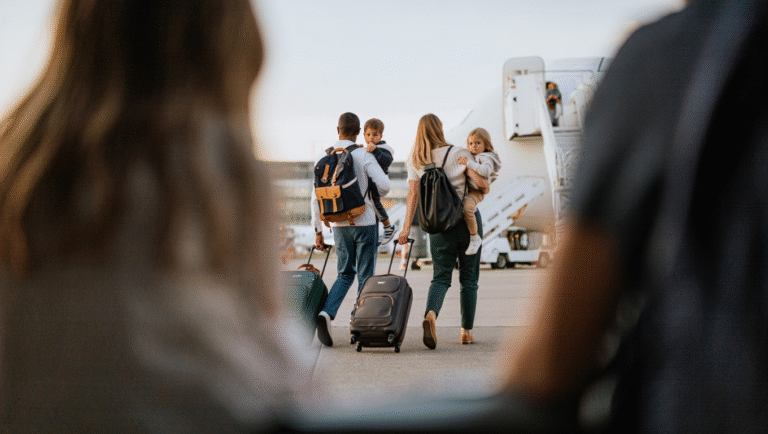
Moving to a new country is a profound change for the whole family. For children, especially, the challenge of adapting to unfamiliar environments can affect even the most basic routines—like sleep. Whether you’re spending a night in a hotel, a temporary rental, or trying to help your child rest on an overnight flight, the sights, sounds, and smells of ‘strange places’ can make peaceful sleep seem impossible.
As a child and adolescent psychologist specializing in behavioral correction, I’ve worked with many families navigating these transitions. Here, I’d like to share practical, empathetic strategies that have helped my clients—and my own family—make new places feel just safe enough for sleep.
Why Do Strange Places Disrupt Sleep?
Children’s brains are wired to seek safety and predictability. When surroundings change, so do the cues that signal “it’s time to rest.” Common triggers include:
- Unfamiliar noises (traffic, hallway sounds, even silence)
- Different lighting (city lights, blackout curtains, or lack thereof)
- New smells (cleaners, other people’s cooking, airplane air)
- The absence of familiar objects
One parent shared: “My son only sleeps with his dinosaur night-light. In the hotel, he was wide awake for hours, even though we brought his favorite blanket.”
This reaction is normal and rooted in basic human psychology. When our “safe base” changes, the brain’s alert system activates. For children—especially those under 12—the ability to self-soothe is still developing, making them more sensitive to disruptions.
Understanding the “Stranger Anxiety” Mechanism
Just as young children show caution around unfamiliar adults, their brains respond similarly to unfamiliar places. The body may produce more stress hormones (like cortisol), causing restlessness, clinginess, or trouble falling and staying asleep. Recognizing this as a natural response—not a failure on your part—is the first step to compassionate problem-solving.
Practical Steps to Help Your Child Sleep in New Environments
1. Prepare Before You Arrive
- Talk about the upcoming stay in advance. Describe the room, bed, and what will be the same and different.
- Show photos of the hotel/rental or airplane. Use Google Street View or the property’s website.
- Involve your child in packing their “comfort kit”: a favorite pillowcase, soft toy, or bedtime storybook.
2. Recreate Familiar Routines
- Stick to your usual bedtime schedule as closely as possible (bath, story, lullaby).
- Use familiar scents—like a dab of your child’s usual lotion or a pillow spray from home.
- Play a playlist of bedtime songs or white noise they recognize.
3. Make the Space Feel Safe
- Let your child arrange their sleeping area with personal items first.
- Do a “safety tour” together: look for light switches, show them where you’ll be sleeping, point out exits, and reassure them about the hotel/rental’s security.
- For very young children, let them “help” check under the bed or in the closet—this gives a sense of control and comfort.
4. Address Sensory Challenges
- Use a travel night-light or a flashlight for comfort.
- Pack earplugs or soft headphones for loud environments.
- Bring a small fan or white noise machine to mask unfamiliar sounds.
5. Normalize Their Feelings
- Use phrases like “It’s okay to feel a bit strange in a new place. I’m right here if you need me.”
- Validate worries, but don’t dwell. Offer a gentle distraction: “Let’s read our story and see how we feel after.”
Mini-case: A family I worked with moved three times in six months. Their 8-year-old daughter couldn’t sleep in new beds. We started packing her pillow, a lavender sachet, and a recording of her grandmother’s voice reading a favorite story. By the third move, she was able to fall asleep within an hour, even in a noisy city apartment.
What If They Still Can’t Sleep?
Even with preparation, some nights will be hard. That’s normal. Here are respectful ways to respond:
- Offer extra closeness: sit with them, hold hands, or lie next to them for a while.
- If your child can’t settle, try a quiet, low-light activity (drawing, gentle stretching) until drowsiness returns.
- For flights, explain time differences and let older children use a sleep mask or neck pillow to create a cozy “nest.”
- Avoid punishment or pressure. Sleep is not a behavior that can be forced.
Checklist: What to Try When Sleeping in Strange Places
| Before the Trip | On Arrival | At Bedtime |
|---|---|---|
|
|
|
When to Seek Additional Help
If your child shows ongoing sleep difficulties that last for weeks or significantly impact everyday life (mood swings, school struggles, physical health), consider consulting a specialist. Persistent sleep issues can signal deeper anxiety or adjustment challenges that benefit from personalized support.
Useful Resources
- National Sleep Foundation: Children and Sleep
- Migration Policy Institute: Children of Immigrants
- CHADD: Sleep Problems in Children with ADHD
- Child Mind Institute: Supporting Children’s Mental Health
Remember: *Every child adjusts at their own pace. Your empathy and flexibility are powerful tools for building resilience through times of change.*
Author: Alice Potter, child & adolescent psychologist, specialist in behavioral correction
Disclaimer: This article provides general psychological guidance and is not a substitute for personal consultation with a licensed professional.