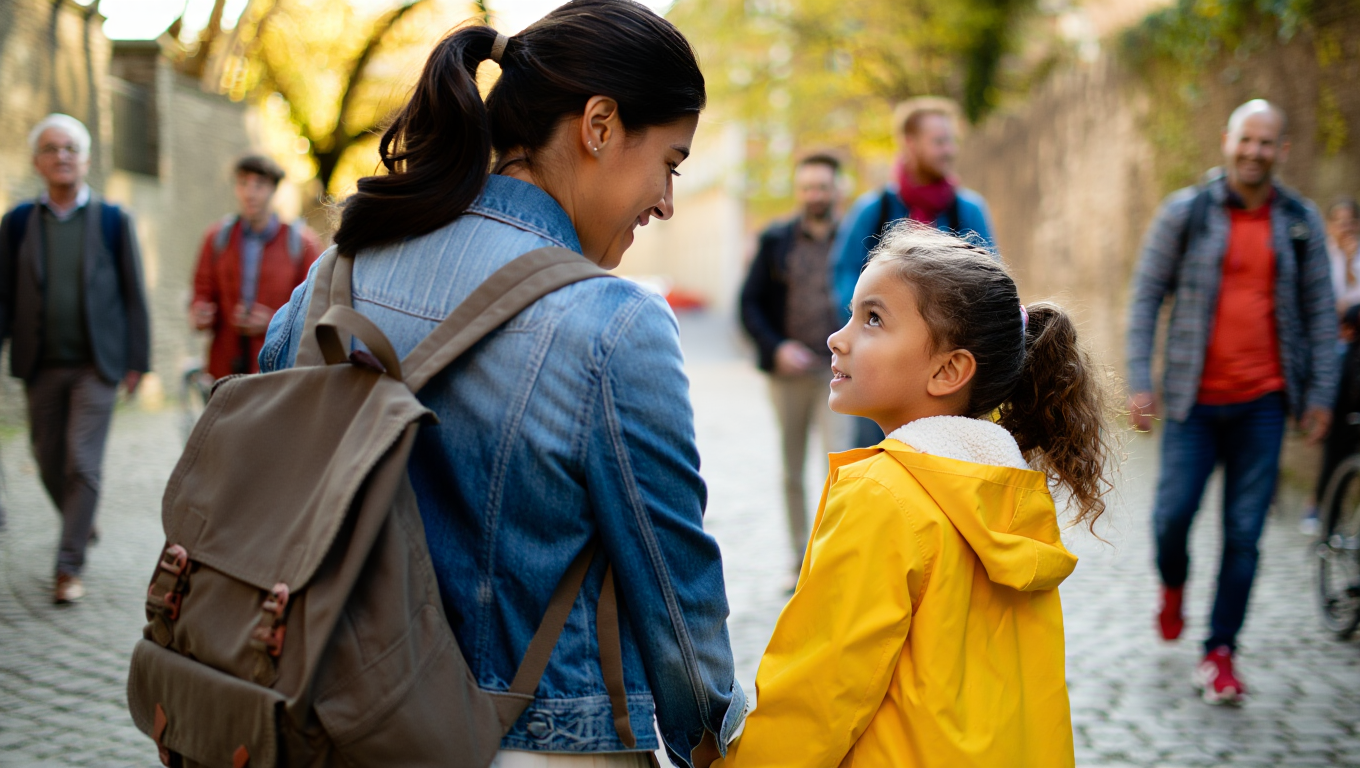
Supporting a 7-Year-Old Starting School Abroad
Moving to a new country is a profound change for any family. For parents, the logistics and emotional challenges can feel overwhelming. For children, especially those aged around 7, starting school abroad brings unique hurdles and opportunities. As a child and adolescent psychologist specializing in behavioral correction, I have supported many families through this transition. I hope these practical strategies and insights help you and your child navigate this journey with confidence and empathy.
Understanding Your Child’s Experience: What’s Going On Inside?
Imagine being dropped into a place where the language, customs, and even games at recess are unfamiliar. For young children, this can create a mix of curiosity, excitement, and anxiety. At age 7, children crave belonging and routine. School is not just a place for learning—it’s their social world.
Psychological mechanism: When children face unfamiliar environments, their “safety radar” activates. They look to parents for cues: Are we safe here? Is this new place okay? If their parents are anxious, children can “catch” these feelings, amplifying their own worries. Conversely, calm parental presence provides reassurance.
One family I worked with moved from Spain to Canada. Their daughter, Sofia, was outgoing at home but became withdrawn at her new school. Her parents felt helpless until they realized that their own stress about the move was rubbing off on Sofia. By addressing their own worries and involving Sofia in small decision-making, they saw her confidence return.
Common Challenges for 7-Year-Olds in a New School
- Language barriers—Trouble understanding teachers and classmates
- Social integration—Difficulty joining groups or making friends
- Academic adjustments—Adapting to a new curriculum or teaching style
- Separation anxiety—Missing familiar routines, friends, or family
Step-by-Step Support: How Parents Can Help
1. Orientation Visits
If possible, visit the new school with your child before the first day. Tour the playground, classroom, and even the cafeteria. Meet the teacher together and practice the route to school. These “previews” help lower anxiety by making the unknown more familiar.
2. Building Friendships
Children may hesitate to approach peers, especially if there is a language barrier. Encourage your child by:
- Arranging playdates with classmates (even short ones after school)
- Enrolling in after-school clubs or activities
- Teaching a few simple phrases to help them introduce themselves
In my practice, I saw how a simple phrase like “Can I play with you?” was a game-changer for a shy boy in Germany. Practicing this at home gave him the courage to approach other children.
3. Handling School Stress
Watch for signs of stress: headaches, stomach aches, irritability, or withdrawal. School-related stress is normal but needs gentle acknowledgment. Create a daily check-in ritual, such as sharing “one good thing and one tricky thing” about the day. Listen without rushing to fix everything. Sometimes, your calm attention is the most powerful support.
4. Supporting Bilingual Learning
Learning in a new language is exhausting. Allow your child to use their native language at home for comfort and emotional expression. Celebrate small wins (“You understood the teacher’s joke!”) and avoid pressuring them for perfect grammar or accent. Read bilingual books together, and connect with community groups who share your language and culture.
Mini-case: A Russian-speaking boy in France felt embarrassed about his accent. His parents began sharing stories about famous bilingual athletes and artists, normalizing the struggle and pride of learning two languages. His confidence grew as he realized he wasn’t alone.
Checklist: What to Try
| Challenge | Action |
|---|---|
| Fear of new school |
|
| Struggling to make friends |
|
| Language frustration |
|
| School-related stress |
|
Additional Resources
- Colorín Colorado – Bilingual family resources
- Embracing Multilingualism – Tips for parents
- Child Mind Institute – Advice for parents raising children abroad
Remember:
Your experience as a parent counts. You know your child best. Trust your instincts, seek connection with other families, and don’t hesitate to reach out for help if you need it. The adaptation process is a journey, not a sprint.
Disclaimer: This article provides general psychological guidance and is not a substitute for personal consultation with a licensed professional.