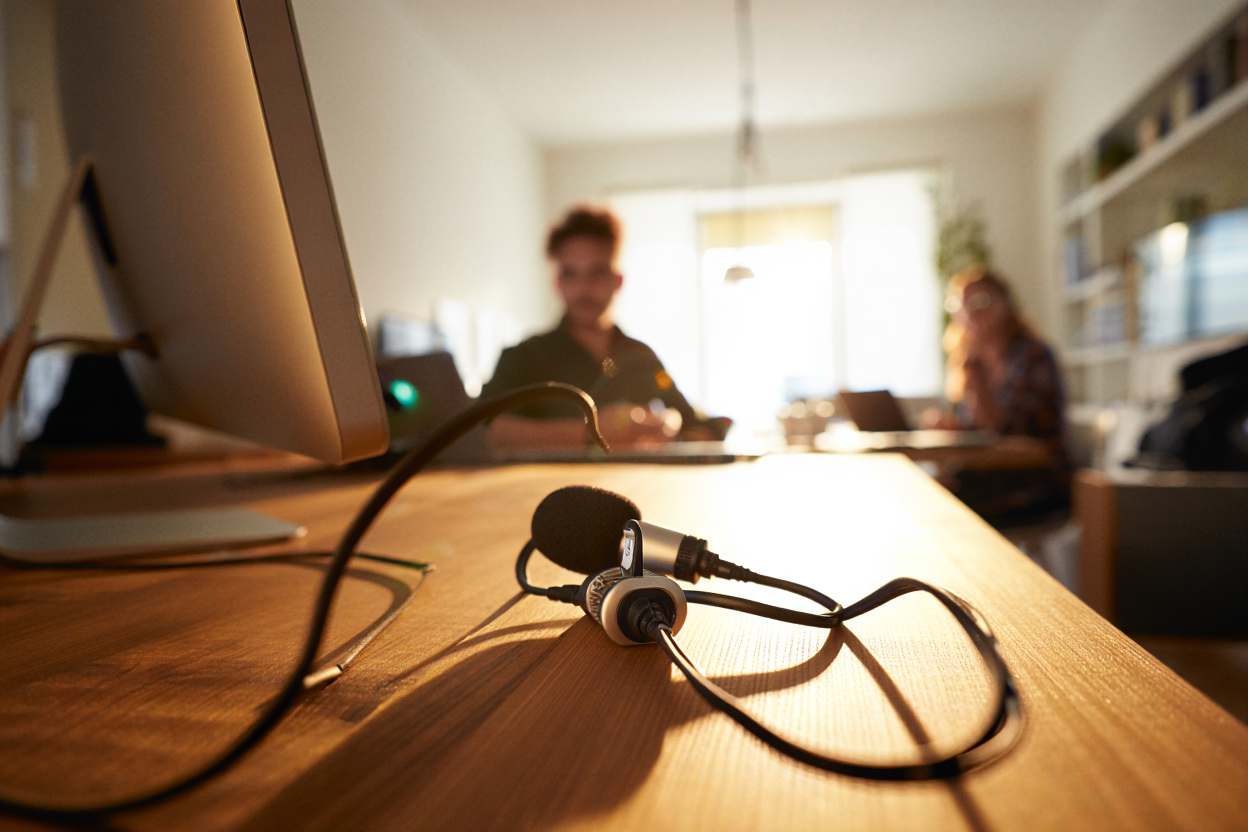
Street Microphones for 2025: Compact and Windproof
Street sound is messy. Between wind, traffic, and the occasional enthusiastic street performer, your phone’s built-in mic just isn’t enough—especially if you’re hoping to capture candid vlogs, family moments, or quick interviews on your travels. After years of lugging around gear that’s bulkier than my toddler’s suitcase, I’ve learned a few things about choosing the right outdoor microphones. Let’s cut through the noise (pun intended) and see what’s worth packing for 2025.
Why Your Built-in Mic Won’t Cut It
Before we jump into gear, here’s the context: most of us start with the default mic on our phone or camera. It’s okay for a quick note, but if you want your audio to sound professional—or even just intelligible when there’s a breeze—you’ll need something better.
“I once recorded a whole street food review in Barcelona. Playback sounded like I was deep-frying my own voice. That’s when I learned: wind protection isn’t optional.”
What Makes a Microphone ‘Street Ready’?
There are three real-world requirements for a street or travel mic:
- Compact size (fits in your pocket or bag, no drama)
- Wind protection (built-in, not just a foam cap)
- Plug-and-play compatibility (no fiddling with settings or adapters in the rain)
Case Study: Testing Three Mics on the Go
This spring, I spent two weeks in Lisbon and Porto. My task: record city ambiances, quick family vlogs, and a couple of “man on the street” interviews for a side project. I packed three mics:
- Rode Wireless ME (Lavalier/clip-on set)
- Deity V-Mic D4 Mini (compact shotgun)
- Shure MV88+ (digital stereo mic for smartphone)
Here’s how they stacked up, from cobblestone squares to seaside boardwalks.
1. The Lavalier: Rode Wireless ME
Pros: Ridiculously easy to use. Clip on and you’re rolling. Range is solid (tested up to 50 meters with zero dropouts). The built-in windshields (little fluffy “deadcats”) actually work—wind noise was minimal even on that blustery Atlantic promenade.
Cons: If you’re wearing a jacket or scarf, the mic can rub and pick up rustling. Also, you’ll need to remember to charge both transmitter and receiver.
Tip: For family vlogs, clip it under a collar or on a backpack strap for clean, hands-free audio.
2. The Compact Shotgun: Deity V-Mic D4 Mini
Pros: Insanely light—about the size of a lipstick tube. Plugs directly into camera or phone (with adapter). The included furry windscreen is small but mighty; it blocked wind noise on a moving tram better than some bigger mics I’ve used.
Cons: Picks up sound mostly in front, so for “selfie” mode you’ll sound a bit distant unless you turn the mic. No battery required, but you’ll need the right cable for your device.
Best for: Quick street interviews or capturing ambient city sounds.
3. The Smartphone Specialist: Shure MV88+
Pros: Plugs straight into your phone. App control lets you tweak pickup pattern and levels. The included windscreen helps, though it’s not as robust as the Rode or Deity in high wind. Sound is crisp and stereo separation is real—great for capturing atmosphere.
Cons: Slightly bulkier if you add the included phone clamp and tripod, but still backpack-friendly. App required for full control.
Use case: Perfect for travel vlogging where you want both your voice and the street sounds around you.
Step-By-Step: Picking the Right Outdoor Mic
- Define your main goal: Talking head vlogs? Interviews? Ambience?
- Check your device: Lightning, USB-C, or 3.5mm? Get a mic that matches, or grab the right adapter.
- Prioritize wind protection: Look for a furry windshield (“deadcat”)—foam isn’t enough for real wind.
- Keep it compact: If it doesn’t fit in your jacket pocket or daypack, you’ll leave it behind. Trust me.
- Battery or plug-in? Lavalier sets need charging, but plug-in mics are always ready.
- Read real reviews (not just YouTube demos in a studio!). Forums like Reddit’s r/videography are gold.
At-a-Glance Comparison Table
| Microphone | Type | Best For | Wind Protection | Price (USD, 2024) |
|---|---|---|---|---|
| Rode Wireless ME | Lavalier/Clip-on | Vlogs, interviews, family travel | Excellent (furry covers included) | ~$150 |
| Deity V-Mic D4 Mini | Shotgun (mini) | Ambience, quick interviews | Very good (mini deadcat included) | ~$60 |
| Shure MV88+ | Stereo digital | Phone vlogging, rich ambient sound | Good (foam + furry cover) | ~$200 |
Quick-Reference Checklist
- ✔️ Lightweight and pocketable
- ✔️ Solid wind protection (furry > foam)
- ✔️ Compatible with your phone/camera
- ✔️ Simple to set up (no audio degree required)
- ✔️ Real reviews from actual travelers or vloggers
Useful Links & Tools
- Rode Wireless ME
- Deity V-Mic D4 Mini
- Shure MV88+
- Reddit r/videography
- B&H Photo Video (mic retailer)
Final Thoughts
If you want your street stories to sound as good as they look, upgrading to a windproof, compact mic is the best 15-minute investment you can make for your kit. Don’t overthink it—pick one, add a good windshield, and you’re set for vlogging, interviews, or just capturing that perfect family laugh (without the hurricane soundtrack).
Some links may be affiliate. You pay the same price, and this blog may earn a small commission.