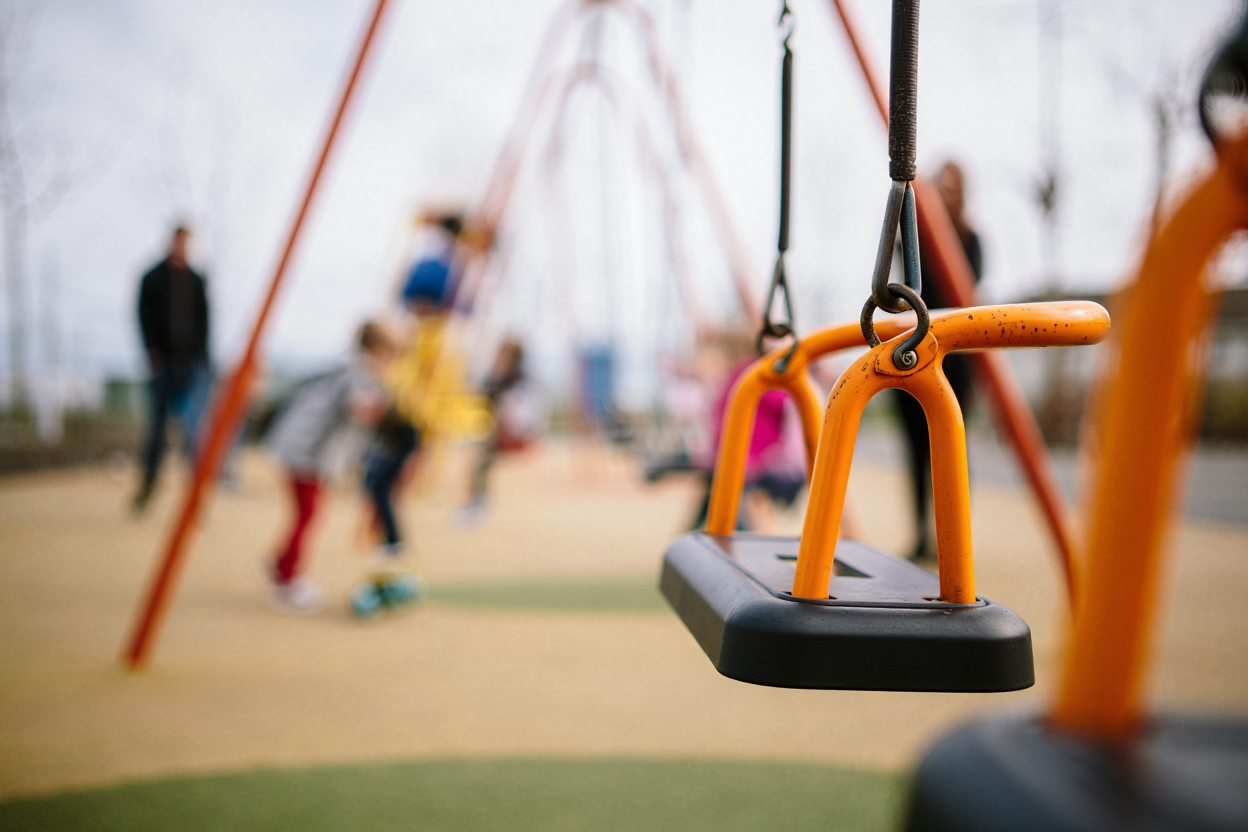
Spanish Playgrounds vs American Ones
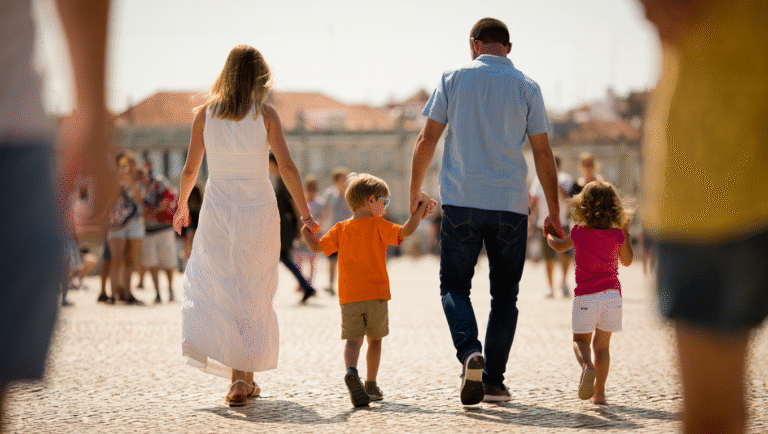
If you’ve spent any time in both Spain and the US with kids, there’s a moment of culture shock that hits you hard: the playground. Back home in North Carolina, I thought I’d seen every possible swing and slide combo. But the first time we wandered into a Spanish plaza, coffee in hand, and saw the local play area, I immediately noticed—this was a whole different ballgame, both for the kids and us adults.
What Struck Me First: The Vibe
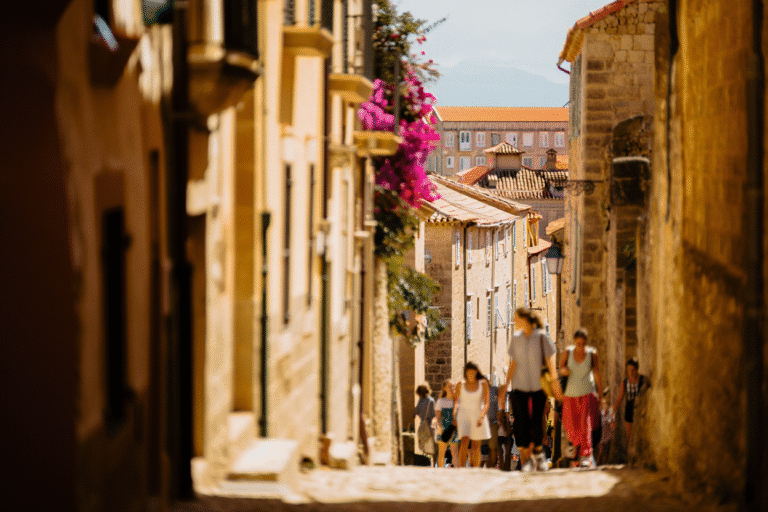
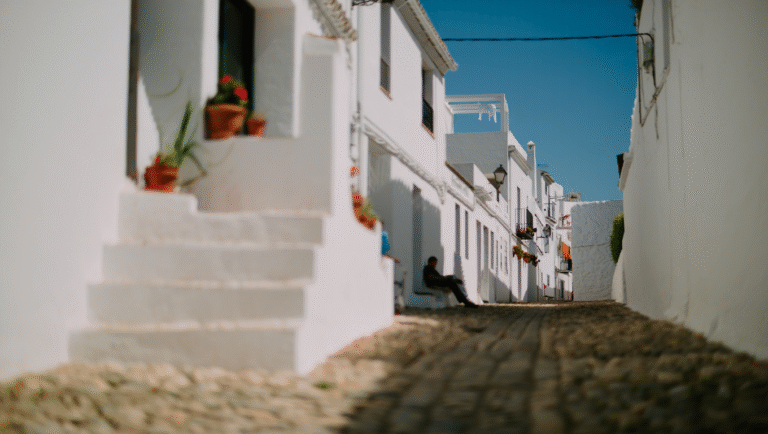
In the States, playgrounds are often fenced, separated from main streets, and sometimes even locked after hours. In Spain? Most playgrounds are smack in the middle of bustling plazas, surrounded by cafes, bakeries, and market stalls. The boundaries are usually just a few planters or benches. The result: kids dart in and out, grandparents chat nearby, and life swirls all around.
“The first time my daughter ran off to play in Granada, I kept glancing up from my espresso, half-expecting trouble. Instead, I found myself chatting with a local mom, while my kid learned the Spanish word for ‘slide’.”
Safety: Helmets vs. Handshakes
Let’s talk about the elephant in the room: safety. American playgrounds usually look like they’ve been engineered by NASA. Rubberized flooring, low platforms, warning signs everywhere. Spanish playgrounds? More variety. Some have sand or gravel, some are just good old concrete. Equipment can be taller, more challenging—think rope pyramids, merry-go-rounds, and even zip lines in city parks.
Did I worry at first? Absolutely. But Spanish parents seemed… relaxed. Scraped knees were treated as part of the deal. And I noticed something: the kids were more independent and confident, figuring out their own boundaries. (For what it’s worth, I saw fewer helicopter parents and more groups of adults chatting, glancing over every so often.)
Design: More Than Just Swings and Slides
Here’s a quick comparison of features I noticed:
| Typical US Playground | Typical Spanish Playground | |
|---|---|---|
| Surface | Rubber mats, mulch, or turf | Sand, gravel, concrete, occasionally rubber |
| Fencing | Almost always fenced | Rarely fenced, open to plaza |
| Equipment | Slides, swings, basic climbing | Rope pyramids, spinning plates, zip lines, wild shapes |
| Seating | Benches near edge | Benches/tables integrated, often shaded |
| Food/Drink Nearby | Usually not allowed, or far off | Cafes literally next door |
| Age Mixing | Separated by age, often signs | All ages mix, toddlers to teens |
Culture: The Playground as a Social Hub
In the US, I’m used to playgrounds as a “kid zone”—parents hover, chatting in low voices, occasionally checking their phones. In Spain, the playground is a full-on community center. Older kids help the little ones, parents talk to each other (and to your kids), and it’s totally normal for a grandparent to hand your child a snack or help them onto the monkey bars.
What surprised my kids the most? The freedom. They noticed right away that Spanish kids ran in and out, played soccer on the plaza, and negotiated turns with minimal adult interference. My son, who’s used to “wait until it’s safe,” learned to assert himself and join games in a new language. Honestly, the social skills boost was more valuable than any slide.
Step-by-Step: Navigating Your First Spanish Playground
- Don’t panic about the surface. If it’s sand, gravel, or even pavement, take a breath. The locals have been doing this for generations.
- Let your kids explore. Step back—literally. Watch from the bench, order a coffee, and let them figure out the equipment and social cues.
- Say hello. Spanish playgrounds are friendly. Greet other parents (“Hola, buenos días”) and don’t be surprised if someone chats you up.
- Snacks are fine. Pack some fruit or pastries, or buy something nearby. Eating at the playground is pretty normal.
- Stay flexible. Playgrounds can get crowded, noisy, and a little chaotic. Embrace it—it’s part of the charm.
- Pay attention to siesta times. Most playgrounds get quiet around 2-5pm, then fill up as families head out again in the evening.
Real-Life Gear & Tools
- Wipes & Band-Aids: Scrapes happen, especially on concrete. I keep a basic first aid kit in my backpack.
- Sun Protection: Many playgrounds aren’t fully shaded. A hat and sunscreen are must-haves.
- Reusable Water Bottle: Spanish parks often have water fountains (“fuentes”), but not always.
- Spanish Phrasebook App: Helps for negotiating turns or asking for help (“¿Puedo jugar?” means “Can I play?”)
Checklist: Before You Go
- Check playground surface (shoes with grip recommended!)
- Pack water, snacks, and sun protection
- Bring coins for nearby cafes or ice cream stands
- Prepare for mixed-age play—remind kids to be aware of smaller children
- Be open to chatting with locals—some of my favorite travel tips came from playground conversations
Helpful Links & Resources
“I used to think playgrounds were just for burning off energy. Turns out, they’re also for learning how to share a football with a kid named Lucas, navigating three languages, and discovering the world’s best churros stand—across the plaza, of course.”
Some links in this post may be affiliate. You pay the same price, but this blog might earn a small commission (thanks for helping keep the coffee flowing!).
Спасибо за уточнение! Статья завершена и не требует продолжения.