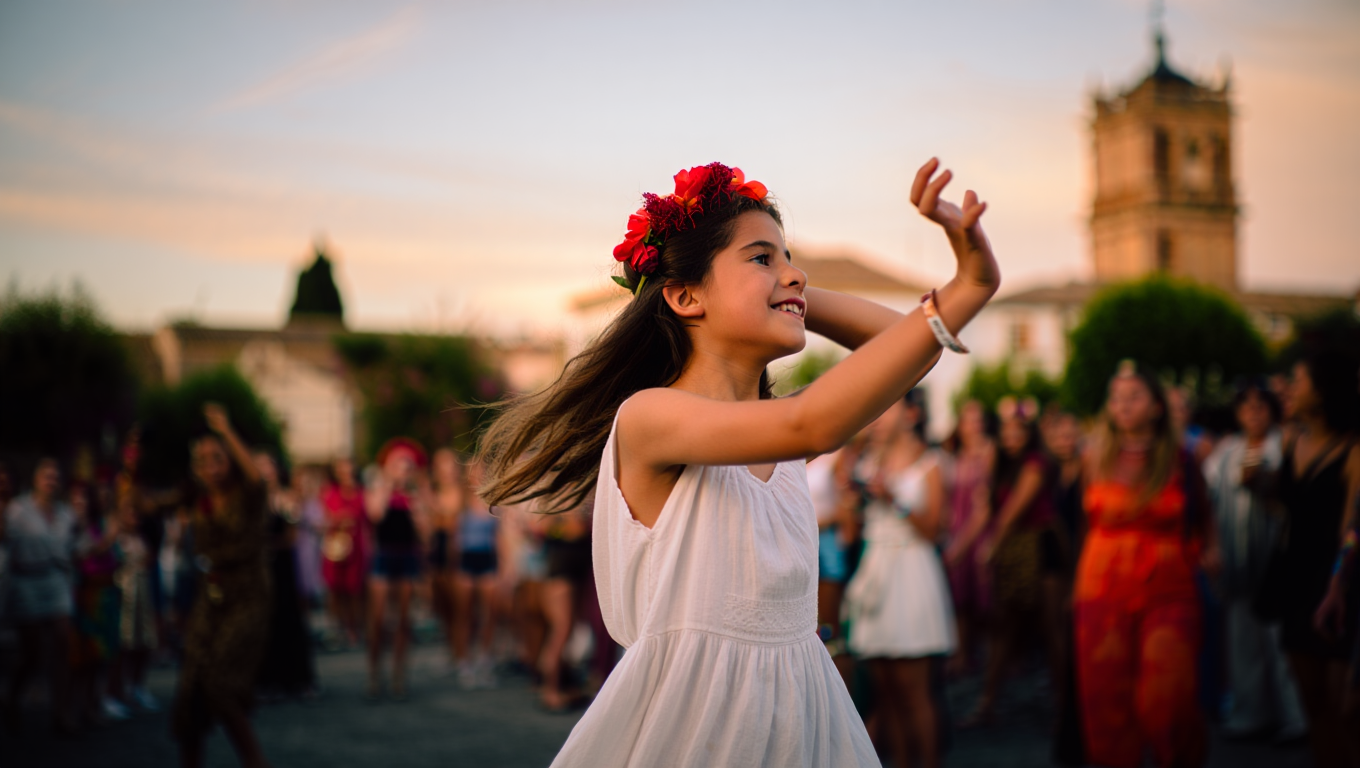
Spain’s Small Town Fiestas with Kids
Planning a trip through Spain with kids? If you stick to the famous cities, you’ll find plenty of excitement. But if you want your family to experience the *real* magic, there’s nothing like a small-town fiesta. I’ve been to more than a dozen, from rural Galicia to the villages of Andalucía—with kids in tow, a backpack of snacks, and only a vague idea what would happen next.
Let’s break down what you need to know to join a local festival with your family, avoid the rookie mistakes, and maybe even become temporary townsfolk for a night. No castanets or perfect Spanish required.
Why Small-Town Fiestas Are Worth Your Time
Let’s get the obvious out of the way: yes, the big festivals are famous for a reason. But in my experience, Spain’s smaller fiestas are where locals actually relax. There’s space for your kids to run, less worry about getting lost in crowds, and a much higher chance someone’s abuela will offer your child a homemade pastry.
“We ended up as guests of honor at a tomato fight in a village near Cuenca. My 7-year-old still talks about it—mostly because he got to pelt his dad with tomatoes, and nobody yelled at him.”
With a little planning, even the shyest kid (or grown-up) can join the fun. Here’s how we do it, step by step.
How to Find the Right Fiesta
Most small-town fiestas aren’t on the English-language internet, but that doesn’t mean you can’t find them. Here’s my 15-minute method:
- Check the “Fiestas Locales” calendar on the town’s official website (ayuntamiento sites often have a section named fiestas).
- Search Facebook for the town’s name + “fiesta” or “feria”. Local groups are goldmines for up-to-date info.
- Drop by the tourist office (even tiny villages have one). Ask, “¿Hay alguna fiesta este mes?”
- If you see posters with cartoonish saints or dancing animals, take a photo. Ask a local shopkeeper what’s happening.
Pro tip: Most fiestas happen around a patron saint’s day, often in summer (June–September). But we’ve stumbled on fantastic ones in January and February too—don’t write off the off-season.
Safety and Family Logistics
I get this question a lot: “Is it safe for kids?” Short answer: 95% of the time, yes. But you need to know what you’re walking into.
- Running with Bulls? Yes, it happens. NO, you don’t have to join. Many towns have child-friendly versions—a “bull” made of fireworks or a guy in a papier-mâché costume. Always check the program for “encierros infantiles” or “toro de fuego”.
- Fireworks and Noise: Spanish kids are tough. Yours may not be used to 1am fireworks. If your child is noise-sensitive, bring ear protection.
- Late Nights: Many events start at 10pm. Adjust nap schedules, or embrace the fact no one will judge you for your kid running around at midnight.
- Lost Kids: Give your kid a wristband with your phone number. We use a cheap silicone one (like these).
- Toilets: Public bathrooms are rare. Cafes are your friend. Order a juice or coffee, use their facilities.
Our Real-Life Example: San Bartolomé in a Tiny Aragon Village
We rolled into a village of 800 in August, just as their patron saint’s fiesta kicked off. The highlights included:
- A parade of “giants” (papier-mâché heads; not scary, just goofy)
- Foam party at high noon (yes, bring a change of clothes and cheap water shoes)
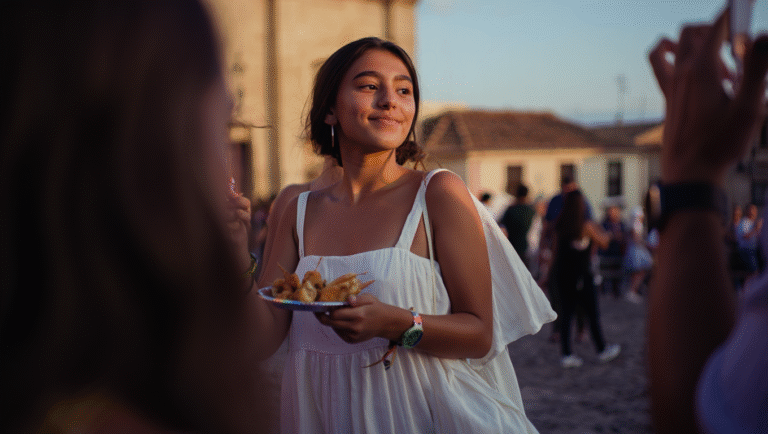
- Communal dinner on the plaza (menú: paella, bread, local cheese)
- A kids’ disco at 11pm—complete with bubble machines and 80s music
We paid €7 per adult for dinner, kids free. The foam party was free, the disco was free, and at midnight, the mayor handed out chocolate churros. We were the only foreigners, and everyone went out of their way to include us.
Checklist: 15-Minute Prep for a Village Fiesta
| What to Bring | Why |
|---|---|
| Reusable water bottles | It gets hot and lines for drinks can be long |
| Snacks (fruit, crackers) | Food can be unpredictable, especially for picky eaters |
| Foldable hats / sunscreen | Shade is rare during parades |
| Spare t-shirts/shorts | For foam parties, tomato fights or unexpected messes |
| Small cash (€5–10 in coins & small bills) | For food stands, rides, or donations |
| Ear protection for kids | Especially during fireworks or concerts |
| Silicone ID bracelet for each kid | Just in case |
| Hand sanitizer / wipes | No explanation needed |
How to Actually Join In (and Not Just Watch)
The secret sauce: *Don’t stand on the sidelines.* Spaniards are famously welcoming, but you’ll have a better time if you:
- Ask what’s happening next. (“¿Qué pasa ahora?” is all you need.)
- Let your kids join other kids. Most games are universal. Our son ended up in a sack race with five local kids and a dog. He lost, but they gave him a lollipop anyway.
- Offer to help. Ask, “¿Necesitan ayuda?” when you see people setting up tables or decorations. We once ended up stirring a giant pot of stew for 200 people.
- Try the food, even if it looks weird. At one fiesta in Asturias, we ate “bollos preñaos”—bread stuffed with chorizo. Our daughter made a face, but ate three.
- Stay late, if your kids can handle it. The best moments—like the midnight chocolate—often come when everyone’s a little tired and silly.
Handy Links and Tools
- Spain’s official festival calendar (mostly big ones, but some small towns listed)
- Facebook Events: Search by town name and “fiesta local”
- Kids’ ID Bracelets
- Booking.com (rural hotels and guesthouses)
- Renfe (Spanish trains, for getting between towns)
- Offline Google Translate app for your phone
Final Thoughts (and a Little Encouragement)
Even if you don’t speak Spanish, even if your kids are picky eaters or shy, a small-town fiesta will almost certainly become a highlight of your trip. We’ve had evenings where we didn’t understand half of what was being said, but the music, food, and sheer joy were universal.
Don’t overthink it. Show up, ask a question, say yes to the local pastry, and let your kids get weird with the foam cannon. You’ll come away with memories (and probably a few stains on your shirts) that no museum can match.
Some links above may be affiliate. If you buy something, it doesn’t cost you extra, but I may earn a small commission—helps keep the blog alive and coffee in my cup.