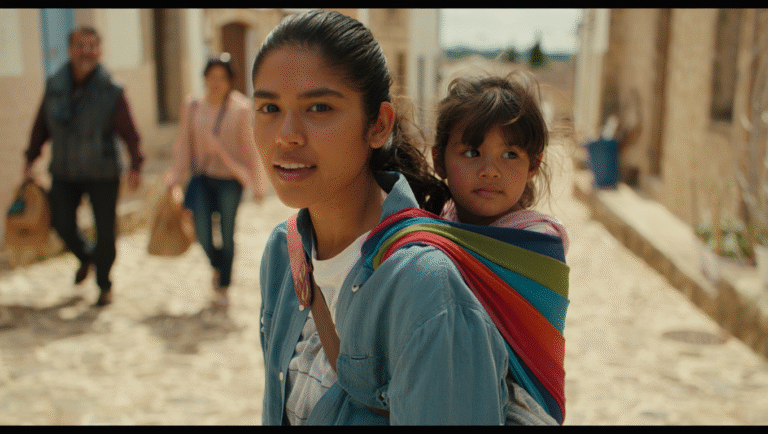
Helping Kids Keep Two Cultures in Balance
As families move to new countries, parents often wonder: how can we help our children embrace a new culture, while still valuing the traditions and language of our heritage? This is a question I hear almost daily in my work with families in transition. The good news is, children are naturally adaptive—but they need our support to feel secure in both worlds.
Understanding the Two-Culture Challenge
Emigrating with children brings a unique set of joys and stresses. Parents want their kids to succeed in a new environment, but also fear that their roots may fade away. This internal conflict is normal.
Maria, a mother from Brazil now living in Germany, shared,
“My son started correcting my pronunciation after just a few months at preschool. I felt proud, but also wondered: will he forget Portuguese? Will he soon stop celebrating our holidays?”
These questions reflect a psychological process called “bicultural adaptation.” Children are learning to balance two (or more) sets of social rules, languages, and expectations. While this can be enriching, it can also be confusing or overwhelming—especially if parents, teachers, or peers send mixed messages about what’s “right.”
Why Maintaining Heritage Culture Matters
Research shows that children who keep strong connections to their heritage—language, traditions, and family identity—tend to have better emotional well-being. They also show greater confidence and resilience in the long term. When children feel that their roots are valued, they’re more open to integrating new customs without anxiety or shame.
Bicultural identity is not about choosing one culture over the other—it’s about feeling “at home” in both.
Supporting Your Child: Practical Steps
Here are some professional, experience-based tips for parents navigating this journey with their children:
1. Create Family Rituals
Simple, repeatable rituals are powerful “anchors.” Whether it’s a weekly meal, a bedtime story in your native language, or celebrating cultural holidays—these moments help children feel grounded.
- Example: One family I worked with, originally from Turkey, started Sunday breakfast “the Turkish way” even after moving to Sweden. Their children loved inviting Swedish friends to join, turning it into a cultural exchange.
2. Open Conversations
Talk about differences in a positive, curious way. Discuss what feels new, what feels familiar, and what’s sometimes confusing.
- Try: “What did you notice today at school that’s different from home?”
- Use stories: Share your own adaptation moments, including your mistakes. This normalizes the learning process.
3. Maintain Your Heritage Language Daily
Language is deeply tied to culture. Even if your child resists, keep using your native language at home, read books, sing songs, and encourage communication with relatives.
- Case: In one family, the parents switched to English at home to help their daughter “fit in faster.” She soon lost confidence in her grandparents’ language, leading to tears during calls. A gradual return to “one parent, one language” helped everyone reconnect.
4. Find Community Connections
Look for local groups, cultural centers, or online communities where your child can interact with others who share your background. This can reduce isolation and increase pride in their heritage.
5. Honor New Traditions Too
Show enthusiasm for learning about the new culture. Attend community events, try local foods, or learn holiday customs. This signals to your child that “adding” does not mean “replacing.”
Remember: You are your child’s bridge between cultures. Your attitude matters more than perfect language or knowledge.
What to Try: Bicultural Balance Checklist
| Practice | How Often? | Tips |
|---|---|---|
| Family ritual in heritage culture | Weekly | Cooking, music, or storytelling |
| Heritage language use at home | Daily | Use during meals or play |
| Celebrating both cultures’ holidays | As they occur | Invite friends from both backgrounds |
| Open dialogue about feelings | Ongoing | Ask, “What’s easy/hard this week?” |
| Connecting with heritage community | Monthly | Attend events, join online groups |
| Exploring new culture’s traditions | Monthly | Try a new food or festival together |
Helpful Resources
- Multilingual Parenting – Practical advice for raising bilingual children
- International Child & Adolescent Virtual Support – Online community for expat families
- TCK World – Resources for “third culture kids” and their parents
- Moving With Kids – Stories, tips, and activities for families in transition
“It’s not about having a perfect balance every day. Some weeks, your child will lean more into the new culture; other times, they’ll seek comfort in the familiar. Your steady presence is the key ingredient.”
If you find your child is struggling—perhaps withdrawing, refusing to use your heritage language, or feeling ashamed of their background—don’t hesitate to seek support from teachers, counselors, or child psychologists familiar with bicultural issues. You are not alone, and with time, most families find their own rhythm.
Disclaimer: This article provides general psychological guidance and is not a substitute for personal consultation with a licensed professional.
Alice Potter, child & adolescent psychologist, specialist in behavioral correction
Спасибо за уточнение! Статья уже завершена и не требует продолжения.