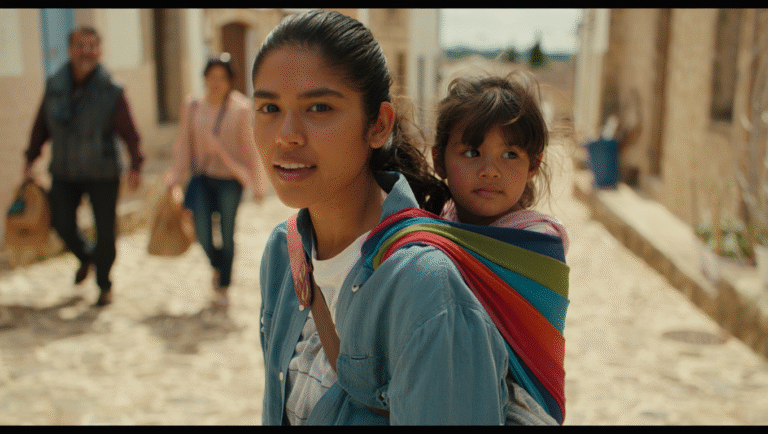
Helping a Child Build Resilience During Change
Moving to a new country is an adventure that reshapes the world for your entire family. The smallest members often feel these changes most deeply. As a child and adolescent psychologist specializing in behavioral correction, I’ve worked with families from many backgrounds who have made this leap. One consistent theme emerges: children can adapt, but they need support, guidance, and more than anything, the chance to build resilience in their own way.
Understanding Resilience in Children
Resilience is not just “toughness”; it’s the ability to face challenges, recover from setbacks, and move forward with confidence. For children, especially in a new environment, resilience helps them navigate language barriers, social differences, and the daily surprises of life abroad.
“When we arrived in Germany, my son stopped speaking at kindergarten. He understood everything, but was silent. It was only through gentle daily routines and play that he started opening up again.”
— Parent from my practice
It’s normal for children to feel overwhelmed during transitions. Their reactions can vary from withdrawal, irritability, sleep problems, or even physical complaints. The good news is, resilience is a skill—and like any skill, it can be nurtured through intentional everyday actions.
What Happens in a Child’s Mind?
When children face big changes, their brains are processing a flood of new information. This can trigger a stress response: the “fight, flight, or freeze” mode. For some, it’s tears at drop-off; for others, it’s refusing to try new things or clinging to old routines.
Children build resilience by experiencing manageable amounts of stress and learning that they can handle it—with support. Positive stress (“I’m nervous about my new school, but I survived my first day!”) helps develop coping mechanisms. Chronic, overwhelming stress (“Everything is scary and I don’t see how things can improve”) can have the opposite effect.
Practical Steps to Foster Resilience
The following steps are based on both research and real-life success stories from families who have made the journey of adaptation.
1. Establish Predictable Routines
Why it helps: Routines create a sense of safety and control. Even small rituals—like a bedtime story in your native language, or a Saturday morning pancake breakfast—anchor your child when everything else feels new.
Mini-case: After moving to Spain, a family I worked with kept their “Friday pizza night.” It became the highlight of each week, a piece of home in a new place, and gave their daughter something stable to look forward to.
2. Encourage Play—Especially Role Play
Play is a child’s natural way to process emotions. Through pretend games, they act out fears, hopes, and social scenarios.
Try: Setting up a “store” or “school” game where your child can be both the newcomer and the local. Switch roles and use simple phrases in both languages. This helps them rehearse and feel more in control during real-life interactions.
3. Name and Normalize Emotions
Help your child identify their feelings—without judgment. Statements like, “It’s okay to feel nervous about your new school,” show that you accept their emotions.
Tip: Use books or story cards about emotions. Draw faces together showing “worried,” “excited,” or “lonely.” This makes big feelings less mysterious.
4. Model Flexibility and Optimism
Children watch adults closely. If you can laugh at your own mistakes with the new language, or talk about something positive you discovered today, your child learns that challenges can be managed, not just endured.
“One day I got lost trying to find the grocery store. I told my son it was an ‘adventure,’ and we ended up finding a great bakery. Now, he calls our walks ‘adventures’ too.”
— Excerpt from a parent’s journal, shared with permission
5. Allow Safe Risks
Let your child try new things—even if it means making mistakes. Whether it’s ordering food by themselves or joining a playground game, these small risks build self-efficacy.
Support: Cheer on attempts, not just successes. “I saw you try to say hello. That was brave!”
What to Try: Resilience Checklist
| Activity | How it Builds Resilience | Try This |
|---|---|---|
| Daily Routines | Provides stability and predictability | Morning checklist, family dinner, bedtime ritual |
| Feelings Chart | Encourages emotional literacy | Draw or use emojis to show feelings each day |
| “What If?” Game | Practices problem-solving | Ask: “What if you forget your lunch? What could you do?” |
| Gratitude Jar | Builds a positive outlook | Each evening, share one good thing about the day |
| Role-Reversal Play | Reduces anxiety about new situations | Act out “first day at school” with you as the child |
| Storytelling | Normalizes challenges through narrative | Share stories from your own childhood or invent new ones |
Useful Resources for Parents
- Resilience.org — Articles and ideas on resilience for families
- Child Mind Institute — Resources on emotional health in children
- Big Life Journal — Growth mindset and resilience tools for kids
- Parenting for Brain: How to Build Resilience in a Child
- Zero to Three — Resources for younger children
Final Thoughts
Adapting to a new country is a journey filled with both challenges and victories. Every family’s experience is unique, and there is no single “right” way to support your child. By focusing on small, practical actions and nurturing a spirit of resilience, you are giving your child one of the most valuable gifts for life.
Remember: Your presence, encouragement, and belief in your child’s capacity to adapt matter more than any perfect plan.
Disclaimer: This article provides general psychological guidance and is not a substitute for personal consultation with a licensed professional.
Поняла, статья завершена — продолжения не требуется.