Fire Safety for Remote Families
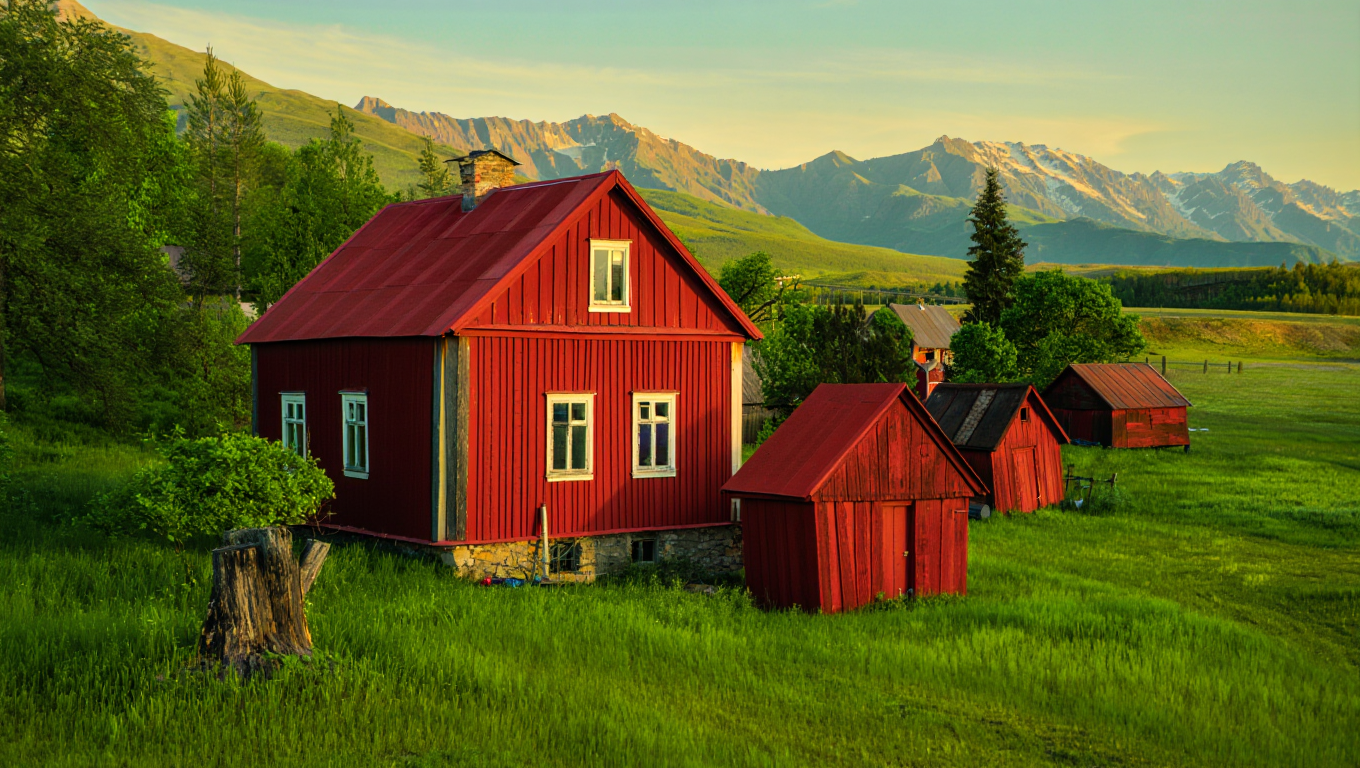
Remote work gives you the freedom to choose your home—or your next temporary nest. Maybe you’re living in a cabin in the Blue Ridge Mountains for a month, or perhaps you’re hopping between Airbnbs in the Pacific Northwest. Either way, the sense of adventure is real. But here’s the kicker: every new place comes with its own quirks, and, honestly, not all of them are fire-safe.
I had a close call once in a rental. The kitchen smoke alarm was “decorative” (read: batteries missing), and the fire extinguisher was from 1998. The host? Lovely. The fire safety? Questionable at best. After that, I started running my own 15-minute fire safety check every time I moved in somewhere new. It’s saved me more than once—and it’s surprisingly quick to do.
Why Fire Safety Matters (Even If You’re Just Passing Through)
You might think, “It’s just a few weeks, what could happen?” But according to the U.S. Fire Administration, residential fires cause over $7 billion in property losses annually—much of it in homes just like your rental. And, let’s be real, most short-term rentals don’t go through the rigorous safety checks you’d expect from hotels.
So, what can you do? Take a few minutes to check the basics yourself. It’s low effort for a lot of peace of mind.
My 15-Minute Fire Safety Checklist
“Trust, but verify. Hosts are great, but your safety is your responsibility.”
- Smoke Alarms: Walk through each room. Are there working smoke alarms? Press the test button—loud and clear is what you want. Don’t see any? Message the host and ask for one. In a pinch, I travel with a battery-powered smoke alarm (they’re $15 and weigh less than a paperback).
- Carbon Monoxide Detectors: Especially important if there’s gas heating, a fireplace, or an attached garage. Same test: press the button.
- Fire Extinguisher: Find it. Check the gauge. The needle should be in the green. Outdated or missing? That’s a red flag. I once bought a $20 extinguisher and left it behind for the next guest—pay it forward!
- Escape Plan: Look for exits. Windows should open (not painted shut). Doors shouldn’t be blocked. Mentally plan two ways out of every sleeping area.
- Address Visibility: Is the house number visible from the street? Emergency services need to find you fast.
- Emergency Contacts: Save the local emergency number in your phone. (In the U.S., it’s 911, but elsewhere it can be 112, 999, or something else.) Also, know the address—take a photo of the rental’s welcome binder or jot it on a sticky note by the door.
Rental-Specific Tips
Older homes and quirky cabins are charming, but:
- Check for overloaded outlets and extension cords. (Had a rental with five appliances on one power strip—yikes!)
- Be cautious with fireplaces and wood stoves. Make sure there’s a fire screen and instructions for safe use.
- If you cook, never leave the kitchen unattended. Fires start fast—and, yes, I’ve set off a smoke alarm making bacon.
Tools That Make Life Easier
After a few years of remote life, I keep a tiny “fire kit” in my suitcase. Here’s what’s in it:
| Item | Purpose | My Pick |
|---|---|---|
| Mini Smoke Detector | For rooms without alarms | First Alert Travel Alarm |
| Travel-Size Fire Extinguisher | Quick response for small fires | Kidde Kitchen Extinguisher |
| LED Flashlight | Power outages mean dark escapes | Olight Mini |
| Portable CO Detector | Carbon monoxide safety anywhere | Kidde Battery CO Alarm |
| Sticky Notes | For writing down the address by the door | Any brand will do |
Fire Safety Checklist (Copy, Print, Share)
- Test all smoke and CO alarms
- Locate fire extinguisher, check gauge
- Find two exits from every bedroom
- Ensure windows and doors open easily
- Save emergency numbers and address in your phone
- Check for visible house number from street
- Scan for overloaded outlets and unsafe cords
- Review fireplace/wood stove instructions
- Identify kitchen fire risks (don’t leave cooking unattended!)
- Keep flashlight handy for night or outage
That’s it. It’s not rocket science—just a 15-minute habit. You don’t have to be a firefighter; you just need to be a little more prepared than the average Airbnb host.
Links & Resources
- U.S. Fire Administration: Home Fire Safety
- National Fire Protection Association (NFPA): Safety Tips
- CPSC: Fire & Carbon Monoxide Safety
- Red Cross: Home Fire Safety
*“A rental is just a building until you make it your (temporary) home. Make it safe, too.”*
Some links may be affiliate. You pay the same price, and this blog may earn a small commission.