Blue Ridge Cabins with Kids: Quiet Weekend Plan
If you’re craving some mountain air and a break from screens (for both you and your kids), the Blue Ridge Mountains offer the perfect backdrop. After years of hopping between Airbnbs with my laptop bag and a trunk full of snacks, I’ve got a system for those quick weekend getaways. Here’s how we do a no-fuss, high-fun cabin trip with kids—even when the weather throws a curveball.
Why the Blue Ridge for Families?
Let’s be honest: not every “family-friendly” destination lives up to the hype. The Blue Ridge, though, delivers. You’ve got cabins tucked into the woods (many with Wi-Fi, if you must), hiking trails that don’t require special gear, and enough low-key adventure to tire out even the most energetic little ones by 8 PM.
Pro tip: The trick isn’t finding the perfect cabin. It’s picking one that keeps you close to easy trails, grocery stores, and has some kind of rainy-day backup plan.
Case Study: Our Last Family Cabin Weekend
Last May, we booked a two-night stay near Blowing Rock, NC. Just me, my partner, our two kids (ages 7 and 10), and way too many snacks. The goal: recharge, hike a bit, and not stress about the weather. Here’s exactly how we planned it:
- Cabin: Booked via Airbnb, $198/night, 2 bedrooms, fast Wi-Fi, hot tub (non-negotiable for me, negotiable for the rest of the family).
- Distance to town: 12 minutes to Blowing Rock (groceries, coffee, emergency ice cream).
- Nearby Trails: Flat Top Tower (suitable for kids), Cone Manor loop (gravel, stroller-friendly), Bass Lake circuit (1-mile loop, ducks and turtles).
- Rainy Day: Cabin had a wood stove, board games, and a giant porch swing.
- Budget: Total, including food and gas, was just under $500 for the weekend.
Step-by-Step: Planning a Blue Ridge Cabin Weekend with Kids
1. Book the Right Cabin
Start with location, not looks. Search within 30 minutes of a mid-sized town (Blowing Rock, Boone, Asheville). Filter for:
- 2+ bedrooms (trust me, you’ll want that door you can close)
- Full kitchen (saves you money and meltdowns)
- Washer/dryer (kids + mud = extra laundry)
- Porch or yard (even when it rains, they can stomp around)
- Good reviews for cleanliness and host communication
Bonus: Hot tubs are a hit, but so are fire pits and hammock chairs.
2. Pick Short Hikes (& Know Your Limits)
Here’s what’s worked for us:
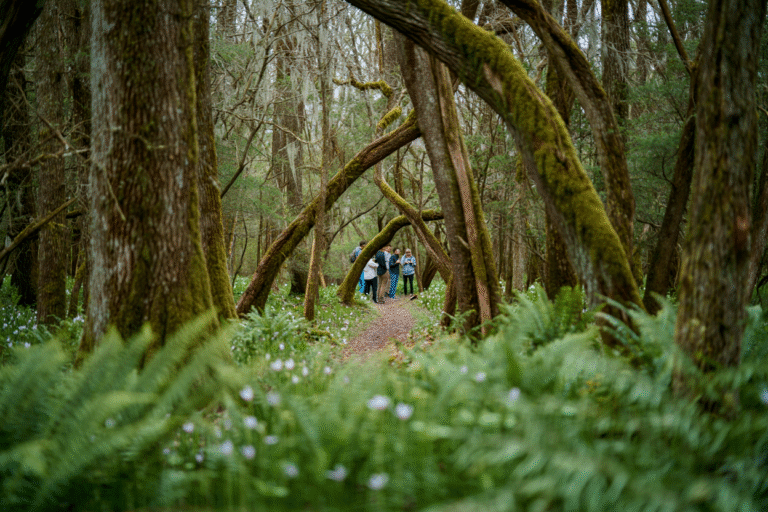
- Flat Top Tower Trail: 2.7 miles round-trip, mostly wide gravel path, gradual incline. Kids love the view from the fire tower.
- Bass Lake Loop: 1 mile, stroller-friendly, picnic tables. Bring bread for the ducks.
- Green Knob Trail: 2 miles, moderate, part shaded, good for kids 8+.
Start early (before 10 AM), pack a snack, and let kids set the pace. You’ll get fewer complaints if you stop for silly photos or to build stick forts.
3. Simple Cabin Meals
Forget elaborate recipes. We rely on:
- Breakfast: Instant oatmeal, fruit, yogurt, coffee for the grownups.
- Lunch: Sandwiches, cheese, apples, trail mix.
- Dinner: Pasta with jarred sauce, pre-cooked chicken, steam-in-bag veggies. Or, hot dogs over the fire.
- Snacks: Popcorn, granola bars, marshmallows.
Bring your own condiments—cabins rarely stock more than salt and pepper.
4. Rainy-Day Kits
Even if the forecast looks clear, pack a “rainy-day” bag. Ours usually includes:
- Two board games (Uno and Ticket to Ride, kid edition)
- Sketchbooks and colored pencils
- Lightweight blanket for indoor forts
- Download a couple movies to your tablet, just in case
Most cabins have a few old puzzles or cards, but don’t count on them being complete.
Packing List: No-Fail Essentials
| Item | Why You Need It | Pro Tip |
|---|---|---|
| Rain jackets | Weather changes fast | Pack for everyone, not just kids |
| Sturdy shoes | Trails are often muddy | Bring old sneakers, not just sandals |
| Headlamp/flashlight | Cabins get dark at night | Extra batteries = peace of mind |
| First aid kit | Knee scrapes happen | Add kids’ pain reliever and bug bite cream |
| Reusable water bottles | Hydration on trails | Fill up before leaving the cabin |
| Food/snack bin | Keep the kitchen organized | Label allergy info, if needed |
| Portable charger | Some cabins have spotty outlets | Charge at home first |
| Marshmallow sticks | Campfire fun | Metal skewers are safer than wood |
| Printed map | Cell signal can drop | Mark the trailheads before arrival |
Safety Notes
- Cell Coverage: Plan for dead zones. Download maps and trail info before you go.
- Wildlife: Bears are rare, but raccoons will raid your snacks. Keep food sealed and don’t leave trash outside.
- Weather: Afternoon storms roll in fast. Check forecasts and have a backup indoor plan.
- Fire Safety: Teach kids how to stay clear of fire pits and stoves. Keep a bucket of water nearby.
- Medical: The nearest urgent care might be 30+ minutes away. Know your route and hours.
Budget Breakdown: Real Numbers
| Item | Cost |
|---|---|
| Cabin rental (2 nights) | $396 |
| Groceries/snacks | $60 |
| Gas (round trip from Charlotte) | $35 |
| Park/trail fees (if any) | $0–$10 |
| Treats (ice cream, coffee stop) | $20 |
| Total | ~$500 |
Tip: Save by eating most meals in, and picking free-access trails.
Favorite Tools & Links
- Airbnb or VRBO for cabins
- AllTrails for scouting hikes and downloading offline maps
- Weather.com for up-to-date forecasts
- REI for outdoor gear (rain jackets, first aid kits)
- Blue Ridge Parkway Visitor Info
If you’re feeling ambitious, create a shared Google Doc for everyone’s packing lists and meal ideas. Saves you from the “did you bring the marshmallows?” panic at 9 PM.
Real Talk: What Actually Works
One memorable trip, we packed for a sunny weekend and got two days of fog and rain. Instead of hiking, we built the world’s most lopsided blanket fort, made hot chocolate, and watched the mist roll over the mountains. The kids still talk about it. It wasn’t the trip we planned, but it was the break we needed.
Bottom line: The Blue Ridge is forgiving. Don’t overplan. Keep it simple, leave room for the unexpected, and you’ll come home recharged, not frazzled.
Some links in this post may be affiliate. You won’t pay more, but I might earn a small commission. Thanks for supporting honest, real-life advice!