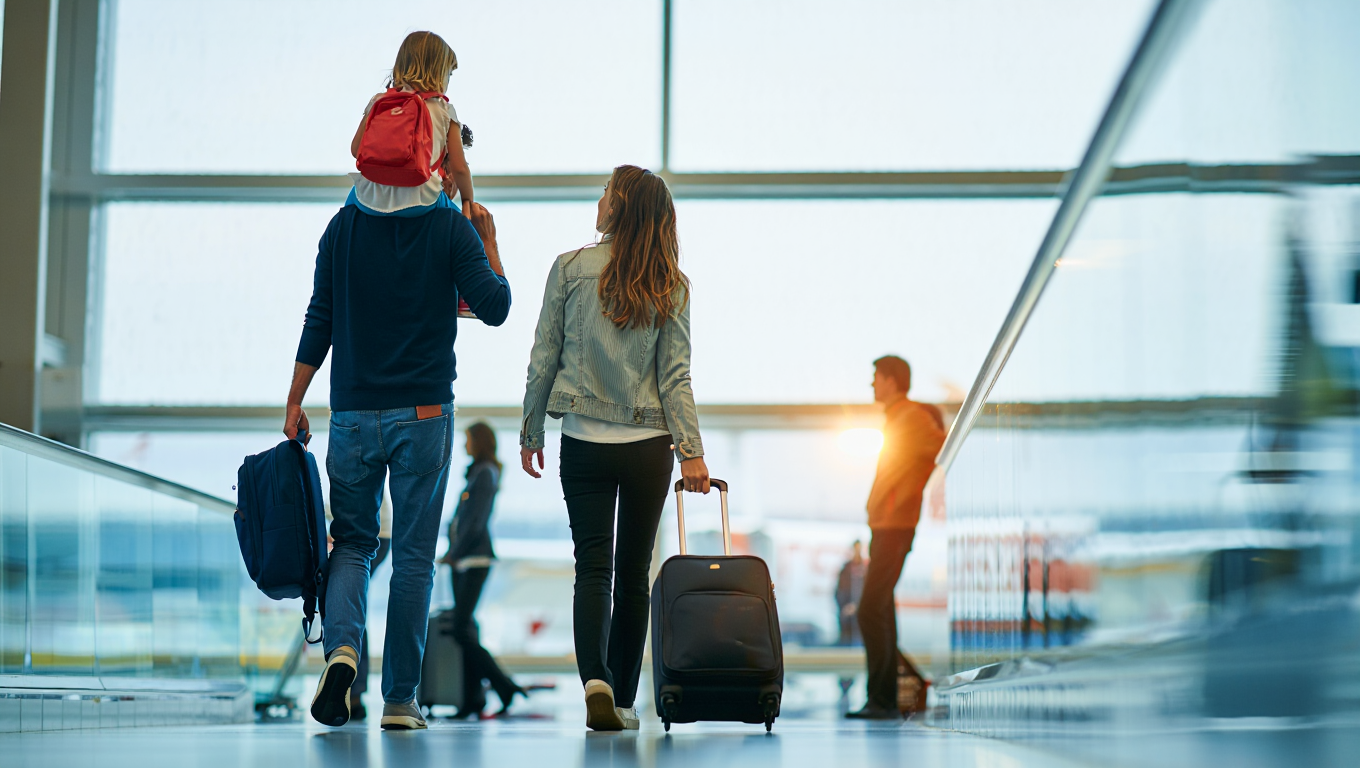
Travel Tips for Toddlers on the Move
Traveling with toddlers can feel like navigating a moving puzzle. Between nap times, snack requests, sudden meltdowns, and the endless need for stimulation, parents often wonder: Is it even possible to have a smooth trip with a 2–4 year old?
As a child and adolescent psychologist who has worked with many families in transition, I’ve seen firsthand how travel—especially in the context of emigration or frequent moves—adds layers of stress for parents and children alike. Yet, with thoughtful preparation and a bit of flexibility, you can help your toddler not just survive, but thrive during your journeys together.
Why Travel Is So Challenging for Toddlers
Before diving into practical strategies, let’s pause and consider what’s happening in your toddler’s world. At ages 2–4, children are at a critical phase of developing routines, preferences, and a sense of security. Travel, with its constant changes and unpredictability, disrupts all three.
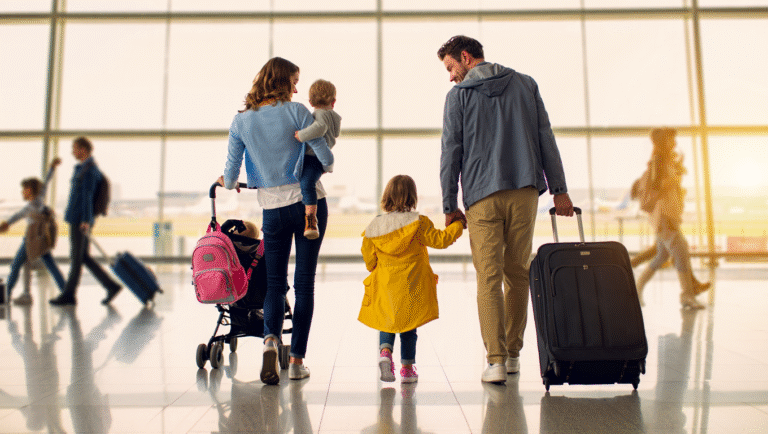
One parent I worked with described her child’s reaction to a long-haul flight as “a rollercoaster of emotions—one minute giggling, the next screaming.” This isn’t unusual. For toddlers, travel means sensory overload, unfamiliar faces, and new rules. Even adults find this exhausting!
Understanding the psychological mechanism is key. Toddlers rely on predictability and consistency to feel safe. When routines vanish, their developing brains go into overdrive. The result? Tantrums, clinginess, sleep disruptions, and sometimes regressions in behavior.
Common Triggers During Travel
- Disrupted naps or irregular sleep times
- New foods and changes in meal schedules
- Long periods of waiting or sitting still
- Strange environments (noisy airports, crowded buses, unfamiliar hotel rooms)
- Parental stress (toddlers are highly sensitive to your mood)
It’s not about “spoiled” or “difficult” children—it’s about an immature nervous system trying to adapt to rapid changes.
Practical Strategies for Managing Travel with Toddlers
1. Plan Routines—But Stay Flexible
Bring elements of your child’s home routine with you: a familiar blanket, bedtime story, or snack. Try to keep nap and meal times close to what your child knows, but accept that delays and changes will happen. Flexibility is your friend.
Mini-case: During a cross-country train trip, a family I supported found that playing their toddler’s favorite lullaby on their phone helped signal nap time, even in a noisy carriage. The song became a portable cue for sleep.
2. Prepare for Sensory Overload
Busy terminals and crowded vehicles can overwhelm little ones. Pack noise-canceling headphones or soft earplugs, favorite comfort items, and a small selection of calming activities (like coloring or sticker books).
3. Snack Smarter, Not Harder
Hunger is a major tantrum trigger. Bring nutrient-rich, easy-to-eat snacks (cheese, fruit slices, crackers) and offer small amounts often. Avoid sugary treats that can spike and crash energy levels.
Tip: Let your toddler help pack their snack bag. This gives them a sense of control, which eases anxiety.
4. Manage Expectations—For Everyone
Talk about the trip in advance. “We’re going to ride on a big plane! There will be lots of people and loud noises, and sometimes we have to wait.” Simple, honest previews help your child know what to expect.
At the same time, adjust your own expectations. Sometimes, the goal is not a “perfect” journey, but a manageable one.
5. Embrace Movement and Play
Toddlers need to move. Whenever possible, let them walk or stretch their legs before boarding and during travel breaks. On planes and trains, simple games like “I Spy,” drawing, or finger puppets can burn off restless energy.
Example: During a long bus ride, one parent created a “travel treasure hunt”—spotting red cars, counting dogs, or looking for certain shapes out the window. It kept their little one engaged and reduced fussiness.
6. Respond, Don’t React
Tantrums will happen. When they do, remember that your calm, steady presence is more important than any clever distraction. Take deep breaths, validate your child’s feelings (“It’s hard to wait, isn’t it?”), and offer comfort. Sometimes, just holding your child quietly is enough.
Checklist: What to Try on Your Next Trip
| Challenge | What to Try |
|---|---|
| Disrupted naps | Familiar sleep cues (blanket, song), portable blackout shade, quiet story |
| Meal changes | Pack favorite snacks, flexible eating schedule, small meals often |
| Tantrums | Stay calm, validate feelings, offer comfort, move to a quiet spot if possible |
| Boredom/restlessness | Travel games, sticker/activity books, window scavenger hunt, movement breaks |
| Sensory overload | Noise-canceling headphones, comfort items, quiet time activities |
| Separation anxiety | Keep familiar routines, talk through the day ahead, extra hugs |
Helpful Resources for Parents on the Move
- Zero to Three: Supporting Young Children During Transitions
- AAP: Travel Safety Tips
- Parenting for Brain: Traveling with Toddlers
- NAEYC: Supporting Children During Changes and Transitions
Final Thoughts: You’re Doing Better Than You Think
Every family’s journey is different, and travel with toddlers is rarely picture-perfect. What matters most is not getting every detail “right,” but nurturing your child’s sense of security through your presence, patience, and love—even when things get bumpy. The stories you create together, even with the occasional meltdown, are part of your shared adventure.
Disclaimer: This article provides general psychological guidance and is not a substitute for personal consultation with a licensed professional.
Alice Potter, Child & Adolescent Psychologist, Specialist in Behavioral Correction