Traveling with Infants: What Parents Need to Know
Traveling with an infant is a unique journey, often filled with both excitement and uncertainty—especially when moving to a new country or adapting to unfamiliar environments. As a child and adolescent psychologist, I have supported many families in their transition abroad. The process brings its own set of challenges, but with understanding and practical strategies, parents can help their babies feel secure and cared for, even on the move.
Understanding the Emotional Landscape
Emigration is a major transition. For infants, their world is defined by the presence and responsiveness of their caregivers. Changes in environment, routine, and the emotional states of parents can affect a baby’s sense of safety—even if they cannot verbalize it. Many parents notice their babies become fussier, have disrupted sleep, or feed differently during travel. These reactions are normal and are a baby’s way of adapting to new stimuli and stressors.
“One parent shared that their usually calm six-month-old became very clingy and had trouble settling in unfamiliar hotel rooms. Talking through their own anxieties and focusing on recreating bedtime routines helped them both feel more at ease.”
Understanding this process helps you respond with empathy—not self-criticism—when things feel overwhelming.
The Psychological Mechanics: Why Change Feels Big
Infants rely on predictability for comfort. A change in routine, time zone, or environment can unsettle their internal sense of order. Even small things—strange sounds, new smells, absence of familiar objects—can trigger stress responses. However, your calm presence and consistent caregiving offer the grounding they need.
From a psychological perspective, when parents manage their own stress and stay emotionally available, babies are better able to adjust. This is called co-regulation: your calm helps regulate your child’s nervous system.
Practical Steps for Traveling Parents
Let’s break down actionable strategies you can use before, during, and after your journey. These are based on real cases, research, and the lived experiences of many migrant families.
1. Prepare in Advance
- Talk about the journey: Even if your baby doesn’t understand words yet, narrating what will happen (“We’re going on an airplane. You’ll be with mommy and daddy”) can be soothing.
- Pack familiar items: Bring favorite blankets, toys, or sleep aids. The smell and feel of home can be deeply comforting.
- Plan for flexibility: Accept that routines may shift. Allow extra time for transitions and keep your schedule light upon arrival.
2. Sleep Strategies on the Go
- Stick to bedtime rituals: Even in a new environment, try to maintain your baby’s usual sleep routine—bath, story, lullaby, for example.
- Control light and noise: Use blackout shades (or improvise with towels) and white noise apps to mimic your home sleep environment.
- Be patient with adjustments: Jet lag and overstimulation are real. It may take several days for sleep to settle.
Mini-case: During a 12-hour layover, one family created a “nest” from travel pillows and a familiar muslin wrap. Their baby napped better surrounded by these cues, despite the busy airport.
3. Feeding and Comfort
- Breastfeeding or bottle-feeding on demand: Changes in schedule and cabin pressure can make babies hungry or thirsty at odd times. Follow your baby’s cues.
- Offer feeds during takeoff and landing: Sucking can help relieve ear pressure.
- Snack smart: If your baby has started solids, bring easy, familiar foods. New foods in transit can upset tummies.
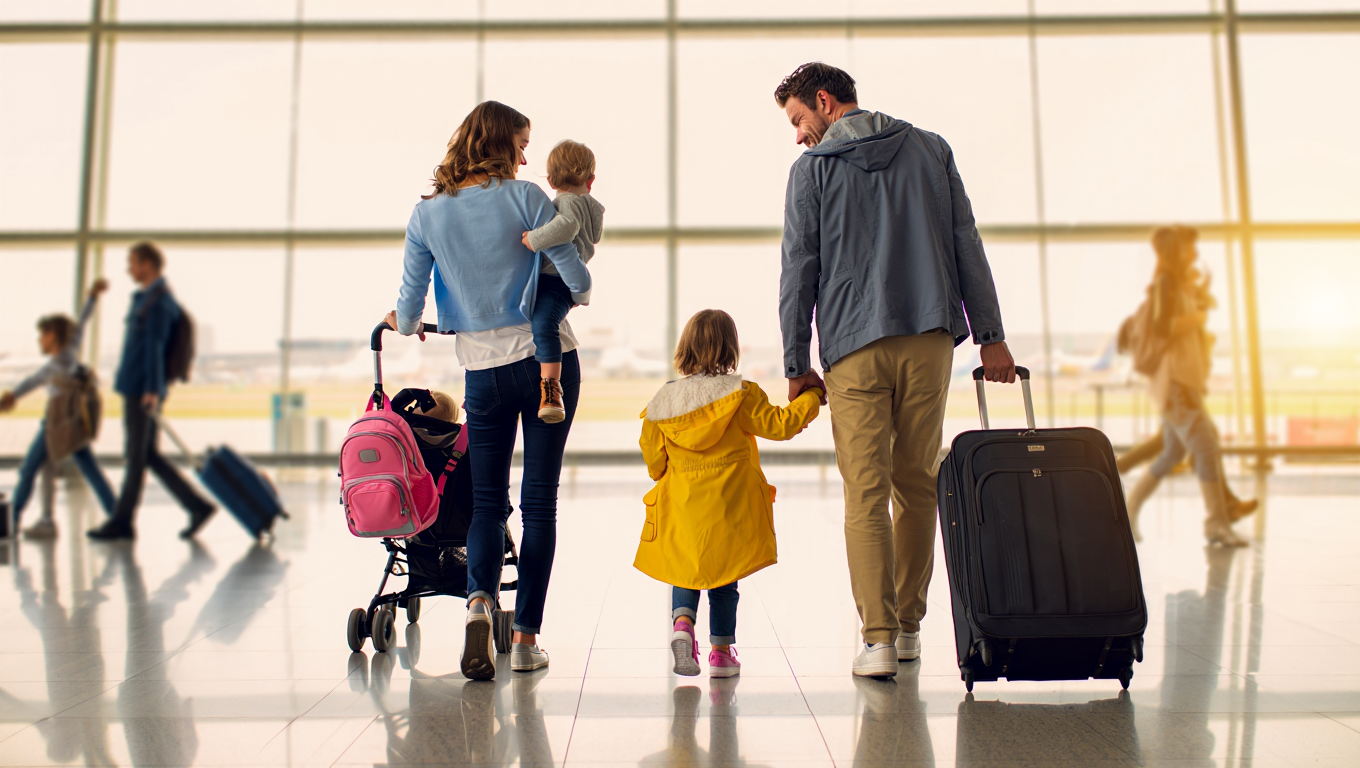
4. Managing Airports and Long Trips
- Use a baby carrier: This keeps your hands free and provides closeness, which reduces fussiness.
- Board early if possible: Families are often allowed to pre-board, giving you more time to settle in.
- Accept help: Don’t hesitate to ask for assistance from airline staff or fellow travelers.
- Plan for play: Bring a few small toys or books, and be ready to walk the aisles or explore terminals to break up long stretches.
What to Try: Practical Checklist
| Situation | What to Try | Notes |
|---|---|---|
| Baby is fussy in a new place | Hold close, use familiar objects, soft singing/talking | Babies are calmed by parental scent and voice |
| Sleep disruptions | Keep bedtime routine, use white noise, be patient | Allow several days for adjustment |
| Feeding changes | Feed on demand, offer water if appropriate, avoid new foods | Travel is not the time to introduce new foods |
| Airport stress | Baby carrier, early boarding, accept help | Plan extra time for security and gates |
| Long flights or drives | Frequent breaks, movement, interactive play | Look for family facilities at airports or rest stops |
Useful Resources
- HealthyChildren.org: Travel Safety Tips
- NHS: Travelling with Children
- CDC: Traveling with Children
- Emigrant Support Program – Family Resources
Final Thoughts: You Know Your Child Best
Each family’s journey is different. Trust your intuition, and remember that even imperfect moments can be opportunities for connection. Through all the noise and change, your steady presence is what your baby needs most. As you adjust to new surroundings, be gentle with yourself—adaptation takes time for parents, too.
“One mother told me, ‘I worried I was doing it all wrong. But when I slowed down and just cuddled my baby, he smiled—even in a crowded airport. That’s when I realized we could do this together.’”
If you feel uncertain or overwhelmed, reaching out for support—from fellow parents, professionals, or local communities—can make a world of difference. Safe travels, and may your family’s adventures be filled with growth, comfort, and small joys along the way.
– Alice Potter, Child & Adolescent Psychologist
Disclaimer: This article provides general psychological guidance and is not a substitute for personal consultation with a licensed professional.
Поняла, статья завершена и не требует продолжения.