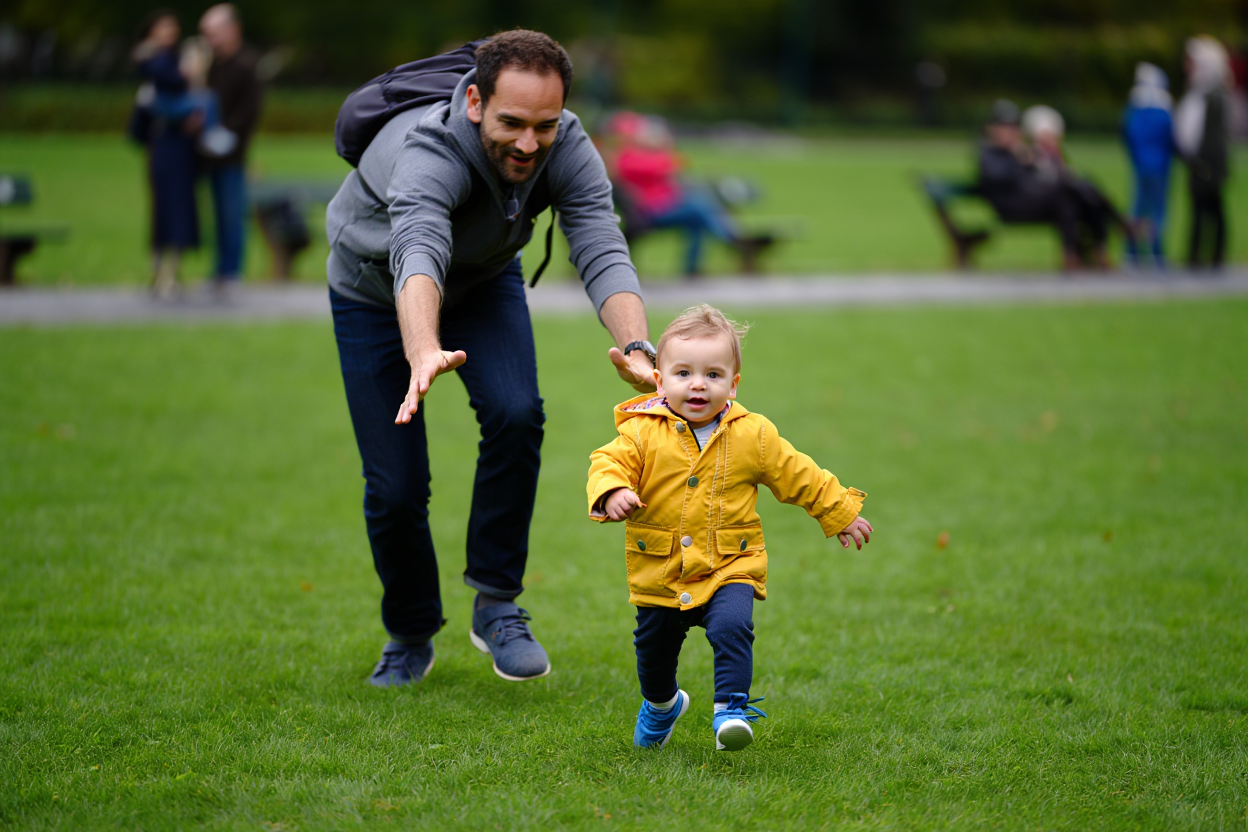
Helping a 3-Year-Old Adapt in a New Country
Moving to a new country with a young child is both an exciting adventure and an emotional challenge. As a child and adolescent psychologist, I have supported many families through this transition, witnessing their resilience and creativity. For parents of toddlers, especially those around three years old, the journey of adaptation is filled with emotional ups and downs. Below, I offer practical, compassionate guidance to help your little one—and your family—settle into your new environment.
Understanding the Emotional Landscape: How Toddlers Experience Change
Imagine suddenly waking up in a place where everything looks, sounds, and smells unfamiliar. For a three-year-old, who relies so much on routine and familiar faces, this can be overwhelming. Toddlers are sensitive to changes in environment and routine because their sense of security is closely tied to predictability.
“My daughter would cling to her blanket and refuse to leave our apartment. She didn’t understand why she couldn’t see her grandmother anymore, or why people spoke differently in the park.”
— Parent in my practice, 2023
In these moments, your child is not being “difficult.” They are expressing confusion, uncertainty, and the need for stability in a world that suddenly feels upside down.
What’s Happening Psychologically?
Toddlers are in the early stages of developing attachment and coping skills. When their environment changes, it can trigger stress responses—clinginess, sleep disruptions, tantrums, or temporary regressions (like wanting a bottle again or resisting toilet training). These are normal reactions to an unfamiliar context.
The good news: consistency, emotional warmth, and gentle exposure to the new environment can help your child adapt over time.
Step-by-Step: Supporting Your Toddler’s Adaptation
1. Maintain Familiar Routines—As Much As Possible
- Keep mealtimes, naps, and bedtimes consistent, even if the time zone has changed. The structure helps your child feel safe.
- Use familiar objects—favorite toys, bedtime stories, or a special blanket. These “anchors” provide comfort.
2. Introduce the New Environment Gradually
- Start with short, low-pressure outings—walks around the block, a visit to a local playground.
- Let your child observe before expecting them to participate. It’s okay to just watch other children play at first.
3. Support Emotional Expression
- Use simple language to name feelings: “You miss grandma. It’s hard when things are new.”
- Accept regressions or clinginess as part of the process. Offer extra cuddles and reassurance.
4. Play-Based Comfort and Gentle Exposure
- Incorporate role-play or pretend games about “going to the store” or “meeting new friends.” This makes upcoming experiences less intimidating.
- Read picture books about moving or starting school in a new place (see resources below).
5. Introduce New Language and Culture Playfully
- Sing simple songs in the local language together. Play language games without pressure to “perform.”
- Watch children’s shows or read stories from your new country—make it a cozy family activity.
Mini Case Example: “Mari’s New Park”
Mari, age 3, moved from Poland to Spain. At first, she refused to let go of her stuffed bunny and cried whenever her parents suggested a walk. Her mother started by taking Mari to the park for just five minutes, sitting on a bench with her bunny. Gradually, Mari became curious about the swings and began to watch other children. After two weeks, she asked to try the slide herself. Her parents celebrated each small step, reinforcing her sense of safety and accomplishment.
Checklist: What to Try When Supporting Your Toddler’s Adaptation
| Strategy | How to Implement |
|---|---|
| Familiar routines | Stick to daily schedules for meals, naps, and bedtime; use familiar bedtime rituals. |
| Safe objects | Allow your child to keep a comfort item (toy, blanket) close by, especially in new settings. |
| Gradual exposure | Start with short outings; build up to longer visits as your child’s confidence grows. |
| Emotional talk | Use simple words to validate emotions; encourage your child to express themselves through words or play. |
| Play and stories | Read books, use dolls or figurines to act out new experiences; make learning about the new culture playful. |
| Gentle language exposure | Sing, watch age-appropriate shows, or look at picture books in the new language together. |
| Parental self-care | Remember to care for your own emotional needs; your calm presence helps your child feel secure. |
Resources for Parents in Transition
- NAEYC: Coping with Change for Young Children
- Colorín Colorado: Bilingual Resources for Families
- Zero to Three: Supporting Young Children Through Changes
- Picture Books About Moving (Brightly)
Remember:
Every child adapts at their own pace. Some children jump into new experiences eagerly, while others need more time and support. Your steady presence, patience, and encouragement are powerful tools in helping your toddler feel at home in a new country.
With compassion, small routines, and playful curiosity, your child can build the confidence to explore their new world—one step (and one cuddle) at a time.
Warmly,
Alice Potter
Child & Adolescent Psychologist, Specialist in Behavioral Correction
Disclaimer: This article provides general psychological guidance and is not a substitute for personal consultation with a licensed professional.