Sailing with Kids: How We Prepared for a Family Yacht Trip
If you’ve ever daydreamed about sailing off into the sunset with your kids, you’re not alone. The idea sounds equal parts magical and totally intimidating—especially when you start thinking about safety, logistics, and the potential for epic meltdowns (from either kids or grownups, let’s be honest). A few months ago, my family and I finally decided to try it: a week on a chartered yacht in the Bahamas. Here’s how we made it work, and what I’d absolutely do differently next time.
Setting Sail: Why We Tried a Family Yacht Trip
We’re not the type to lounge by a resort pool all week. My partner and I both work remotely, and our kids are at that wild age where every day needs an adventure. So, we thought: why not combine the thrill of travel with the challenge of learning something new together? Sailing ticked all the boxes—freedom, nature, and a chance to unplug.
But the checklist was daunting: boat safety, seasickness, food, insurance, and the big one—keeping everyone sane in a floating shoebox.
Finding the Right Yacht (Without Breaking the Bank)
I started with the basics: what type of yacht fits a family of four? Turns out, catamarans are much more stable than monohulls, which is a blessing if your kids are new to boats.
Real number: We paid about $4,700 for a 7-night charter, including basic insurance, through Sailo. Prices can range from $3,000 to $8,000+ depending on the season and the boat’s size.
We used Sailo and Click&Boat to compare options. Both sites let you filter for family-friendly features: life jackets, shaded decks, and (crucially) working toilets. We skipped the “bareboat” option and hired a skipper for peace of mind. I’d recommend this for your first trip unless you’re already a licensed sailor.
Safety First: What We Actually Brought (and What We Shouldn’t Have)
Life jackets: Insist on trying them on before you leave the dock. The ones provided were too bulky for our six-year-old, so we ran to a local marine store (West Marine) to grab a better fit.
Seasickness: We packed Dramamine (kids and adults), ginger chews, and those acupressure wristbands. Our youngest never needed anything, but I had to use the bands on the choppiest day. Pro tip: Start meds the night before you leave, not after you’re queasy.
First aid: Our yacht came with a basic kit, but we added kid-safe pain reliever, waterproof bandages, and a digital thermometer. The sun and sea will find new ways to surprise you.
What We’d Leave at Home Next Time
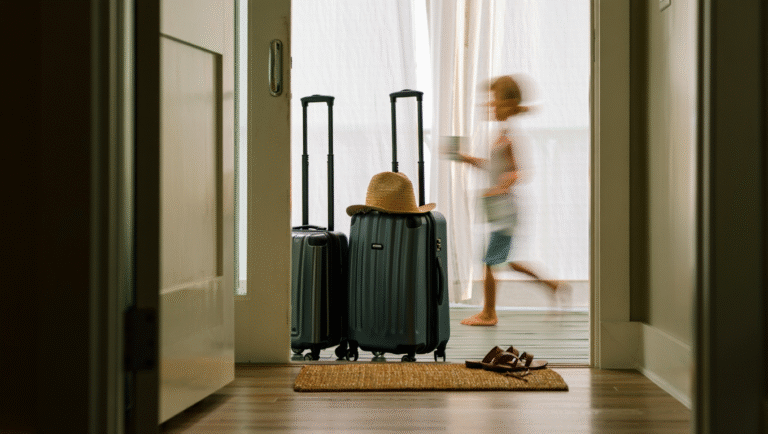
- Full-size suitcases. Pack soft duffels instead—they’re easier to stash.
- Excessive toys. The ocean is the best playground. A snorkel, a bucket, and a deck of cards were all we needed.
- Too much tech. WiFi was spotty and, honestly, we didn’t miss it after the first day.
Food: Planning, Packing, and Avoiding Hangry Mutiny
Provisioning is a fancy word for “grocery shopping in a panic before the boat leaves.” Most charters offer a provisioning service, but it’s much pricier than doing it yourself. We hit a local supermarket with this quick checklist:
Checklist for 7 days (family of 4):
- Breakfast: 2 boxes of cereal, 1 big tub of yogurt, 2 loaves of bread, 2 dozen eggs
- Lunch: 3 packs deli meat, 2 blocks cheese, 1 jar peanut butter, 1 jar jelly, 2 bags chips, 1 pack tortillas
- Dinners: 3 packs pasta, 2 jars sauce, 2 packs pre-cooked rice, 4 cans beans, 4 packs frozen veggies, 2 packs chicken, 1 pack hot dogs
- Snacks: fruit, nuts, granola bars, a treat for each kid (and, let’s be real, for parents too)
- Drinks: 2 cases water, 1 pack juice boxes, coffee/tea
We cooked 5 meals onboard, ate out twice, and still overpacked snacks. If you’re not picky, keep it simple and buy fresh fish at the docks.
Insurance and Peace of Mind
Most yacht charters require insurance. Ours included a basic damage waiver, but I recommend checking your travel insurance policy for medical emergencies. We used World Nomads; they actually cover sailing up to 15 nautical miles off the coast. Double-check the fine print!
We also made laminated cards with emergency contacts and taught the kids how to use the VHF radio. Did they need it? No. Did it make us all feel better? Absolutely.
What Worked—and What We’d Change Next Time
- Worked: Hiring a skipper. He taught us the basics and let us take the wheel when it was safe.
- Worked: Short hops between islands. No six-hour marathons—just 1-2 hours max per leg.
- Worked: Daily “quiet hour.” Everyone picked a book or podcast and chilled, no questions asked.
- Would Change: Less stuff. More sun shirts, fewer “just in case” gadgets.
- Would Change: Bring walkie-talkies. When someone goes below deck, it’s easier than yelling.
- Would Change: Start seasickness meds earlier. Lesson learned.
Quick Reference Table: Family Sailing Prep
| Task | Our Pick | What to Watch Out For |
|---|---|---|
| Charter company | Sailo, Click&Boat | Read reviews, check for family gear |
| Boat type | Catamaran 38-42ft | Stability for kids, space for gear |
| Skipper | Yes (first trip) | Background check, language skills |
| Life jackets | Own for kids, try before | Fit and comfort, not just size |
| Seasickness | Dramamine, bands, ginger | Start before sailing, test at home |
| Food | Self-provisioned | Prioritize easy meals, snacks |
| Insurance | World Nomads | Coverage for sailing and emergencies |
| Emergency prep | Laminated cards, VHF basics | Practice with kids, not just adults |
Best Links and Tools
- Sailo – Yacht rental with family filters
- Click&Boat – Another charter search tool
- West Marine – Kid-sized life jackets and boating supplies
- Dramamine – Seasickness relief
- World Nomads – Travel insurance with sailing coverage
- Noonsite – Up-to-date cruising info and regulations
Final Thoughts
Would I do it again? Yes, but with less stuff and maybe a longer stop at each island. The best moments were the unscripted ones: dolphins at dawn, kids falling asleep to the rocking of the waves, cooking pancakes at sunrise. We had our share of “never again” moments (wet socks, one lost hat), but the adventure was worth every awkward learning curve.
Pack lighter, plan less, and leave room for surprise. That’s the real secret to sailing with kids—and maybe to family travel in general.
Some links in this post may be affiliate links. You pay the same price, and this blog may earn a small commission—thanks for supporting our sea-bound experiments!