Public Spaces That Work: Libraries, Rec Centers, Universities
When you’re living the remote life, the right workspace can make or break your day. Sure, coffee shops are a classic, but what if you crave something quieter, or need a bigger table, or want to meet locals (without ordering a third latte)? Over the past few years, I’ve tested out all kinds of public spaces across the U.S.—from tiny mountain towns in Colorado to college cities in the Carolinas. Turns out, many of the best options are hiding in plain sight.
Why Public Spaces Still Matter (Even in 2024)
With coworking offices on every corner, you might wonder: Why bother with libraries or rec centers? Two reasons:
- They’re free (or almost free).
- You get a mix of focus, comfort, and community you just can’t buy by the hour.
Plus, if you travel with kids or just need a change from home, these places offer stuff no coffee shop can: children’s rooms, outdoor space, actual peace and quiet. And, the Wi-Fi is usually solid (sometimes even better than at paid spaces).
Case Study: One Week, Three Spaces
Last fall, I spent a week in Asheville, NC—working, wrangling Zoom calls, and trying to keep my family entertained. Here’s how I split my time:
- Monday-Tuesday: The downtown public library. Study room, fast Wi-Fi, zero distractions.
- Wednesday: University student center (day pass). Big tables, food nearby, bonus: campus Wi-Fi reaches outside.
- Thursday-Friday: Local rec center lounge. Surprisingly comfy chairs, plenty of outlets, and a playground for breaks.
Each spot had pros and cons, but all three gave me what I needed: a quiet, reliable place to work—no membership required.
“The best public workspaces are like the Swiss Army knives of productivity: simple, reliable, and full of hidden features.”
How to Find (and Use) Public Spaces Like a Pro
Not all spaces are created equal. Here’s how I scout, test, and settle into a new spot—usually in less than 15 minutes.
Step 1: Search for Options
- Google “public library near me” or “recreation center.”
- Check local university websites for visitor info (look for “community access” or “guest Wi-Fi”).
- Use Workfrom or Coworker to spot lesser-known gems.
Step 2: Check the Essentials
- Wi-Fi: Is it free? Do you need a library card or guest login?
- Hours: Many libraries open at 9 or 10, rec centers earlier.
- Noise level: Call ahead if you need total silence (ask about “quiet rooms” or “study areas”).
- Seating: Are there tables, chairs with outlets, or just benches?
- Food/drink: Can you bring in coffee or snacks?
Step 3: Show Up Prepared
- Bring ID (some spaces require it for guest Wi-Fi or day passes).
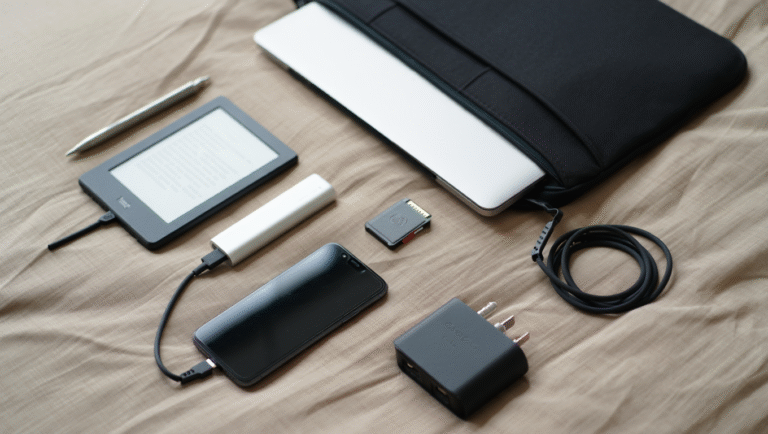
- Pack a power strip (outlets are often limited).
- If you have kids, ask about children’s rooms or play areas.
Step 4: Respect the Space
- Use headphones for calls or music.
- Keep your stuff compact—don’t sprawl across three tables.
- Follow the “one drink, one snack” rule (unless posted otherwise).
My Go-To Public Workspaces (With Real-World Tips)
| Type | Best for | Cost | Wi-Fi? | Extra Perks |
|---|---|---|---|---|
| Public library | Quiet work, solo focus, study rooms | Free | Yes (card may be needed) | Printing, meeting rooms, kid spaces |
| Rec center | Casual work, stretching breaks, family time | Free/$5 day pass | Usually | Fitness, showers, playgrounds |
| University campus | Big tables, campus vibe, group meetings | Free to $20/day (guest | Usually (guest login) | Cafeterias, outdoor space, events |
| Museums | Creative breaks, inspiration | Free to $25 | Sometimes | Art, exhibits, quiet nooks |
Quick Checklist: Setting Up in a New Public Space
- Scout out available outlets—before you unpack.
- Test the Wi-Fi (speedtest.net is your friend).
- Find a backup seat in case of crowds.
- Introduce yourself to staff if you’ll be there a while—they’re usually chill, and it helps if you need help printing or with Wi-Fi hiccups.
- Plan a break: walk outside, check out a book, or stretch.
Etiquette: How Not to Be “That Guy”
Public spaces are for everyone, so a little respect goes a long way. Here’s my personal code (learned the hard way):
- Calls: Step outside or use a study room for anything longer than a minute.
- Food: Keep it subtle (think granola bars, not tuna sandwiches).
- Kids: If you bring them, stick to the kid area—trust me on this one.
- Noise: Even “quiet” typing can get loud on old tables. Soft touch, or grab a seat with carpet underneath.
“Nobody ever got kicked out of a library for being too polite.”
Favorite Tools & Links
- PlugShare: Find outlets and charging stations in public spaces.
- Workfrom: Crowd-sourced database of remote-friendly spaces.
- Speedtest.net: Check Wi-Fi before you commit.
- YMCA Find Your Y: Rec centers with day passes and family facilities.
- PublicLibraries.com: Up-to-date library locator for the U.S.
Final Thoughts
Whether you’re grinding out solo work, meeting a client, or just trying to keep your kids from bouncing off the walls, your local library, rec center, or university just might be the smartest workspace in town. Give it a try—you might even find your new favorite spot, no membership card required.
Some links in this post may be affiliate links. Using them won’t cost you extra, but it helps keep this site running and caffeinated (sometimes literally).